
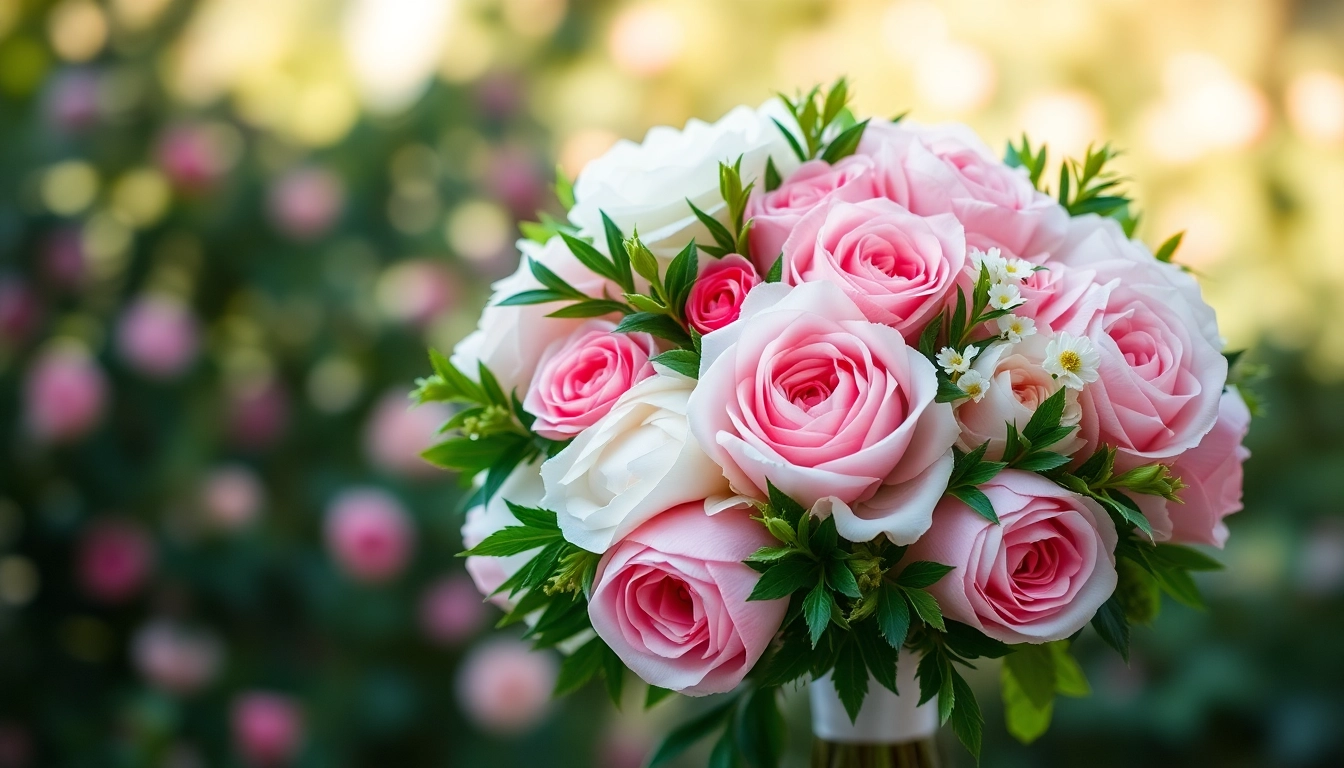
Understanding Wedding Flowers
When it comes to planning a wedding, one of the most enchanting elements is the choice of wedding flowers. These natural beauties can elevate the aesthetic of the entire event, setting the tone and creating an ambiance that resonates with the couple’s love story. Yet, selecting the right floral arrangements involves understanding various types of flowers, how they complement the wedding theme, and their seasonal availability. In this article, we will delve into the intricacies of choosing the perfect flowers for your special day.
Types of Wedding Flowers
Wedding flowers can be categorized into several types, each serving different roles in the overall decor:
- Bridal Bouquets: Often the centerpiece of floral arrangements, bridal bouquets feature a variety of blooms based on the bride’s preference, style, and seasonal availability.
- Bridesmaids’ Bouquets: Typically smaller than the bridal bouquet, these bouquets should complement the bride’s flowers while still being distinct.
- Boutonnieres: Worn by the groom and groomsmen, boutonnieres are small floral arrangements pinned to the lapel, adding a touch of elegance to their attire.
- Corsages: Usually worn by mothers and grandmothers, corsages are small flower arrangements that can be pinned to clothing or worn on the wrist.
- Centerpieces: These are larger floral arrangements placed at tables during the reception, setting the mood and serving as effective conversation starters.
- Altar Flowers: Positioned at the altar or ceremony site, these arrangements draw the eye and complement the overall theme during the exchange of vows.
Choosing the Right Flowers for Your Theme
Every wedding has a theme or color palette, and the choice of wedding flowers should seamlessly align with this vision. Here are some methods for integrating flowers into your theme:
- Color Coordination: Choose flowers that resonate with your wedding colors. For instance, bold reds would work well for a vintage or rustic theme, while pastel shades are perfect for a more romantic or beach-themed wedding.
- Flower Symbolism: Consider the meaning behind different flowers. For example, lilies symbolize purity, while roses indicate love. Picking specific blooms can imbue your wedding with deeper significance.
- Seasonal Flowers: Select flowers that are in season to ensure availability and freshness. Seasonal blooms often have vibrant colors and are more cost-effective.
- Match with Venue Decor: If your venue has a specific vibe—rustic barn, elegant ballroom, or an outdoor garden—ensure your floral choices complement and enhance that setting.
Seasonality and Availability of Wedding Flowers
Understanding which flowers bloom in specific seasons is critical for successful wedding planning. Seasonal flowers not only tend to be more affordable but also allow for stunning arrangements that reflect nature’s beauty at that time of year. Here are some examples:
- Spring: Flowers such as tulips, daffodils, and peonies bring joy and freshness to spring weddings.
- Summer: Bright blooms like sunflowers, dahlias, and garden roses are widely available and perfect for a cheerful summer wedding.
- Autumn: Rich hues can be showcased with flowers like chrysanthemums, dahlias, and orchids, aligning beautifully with the season’s palette.
- Winter: Although options may be fewer, hardy flowers like roses, lilies, and even evergreens can provide stunning arrangements for winter weddings.
Designing Your Wedding Floral Arrangement
Crafting a cohesive and beautiful floral design for your wedding is an art. It involves considering not just the flowers but how they will be arranged and displayed. Here’s how to approach designing your wedding flowers:
Essential Wedding Flowers for Bouquets
The bridal bouquet is one of the most important elements of a wedding. When selecting flowers to create the perfect bouquet, remember these key tips:
- Choose a Focal Flower: Start with a prominent flower that will be the bouquet’s star—this could be a large rose or peony.
- Layer with Filler Flowers: Surround your focal flower with smaller blooms and filler to create volume and depth. Baby’s breath and greenery are popular choices.
- Consider Shape: Choose a bouquet shape that flatters your silhouette and fits comfortably in your hands. Round, cascading, and hand-tied bouquets are common styles.
- Add Texture: Incorporating herbs and succulents can add a unique texture and aesthetic contrast to traditional flowers.
Choosing Centerpieces and Decorations
Centerpieces play a pivotal role in decorating reception tables, influencing the overall atmosphere of the reception. Here’s how to thoughtfully design your centerpieces:
- Height Variations: Combining tall and short centerpieces creates visual interest. Use towering arrangements for focal points and smaller ones to keep the conversation flowing.
- Use Different Containers: Think beyond traditional vases; jars, wooden boxes, or glass terrariums add variety and character to the tables.
- Incorporate Candles: Adding candles can enhance elegance and warmth. Ensure they’re safely placed to avoid fire hazards.
- Seasonal Decorations: Alongside flowers, consider including seasonal elements such as pinecones in winter or seashells in summer.
Creative Ideas for Wedding Flowers Arrangements
While traditional floral arrangements have their charm, getting creative can set your wedding apart. Here are some imaginative ideas:
- Floral Arches: An arch made of lush flowers can serve as a stunning backdrop for ceremonies and photographs.
- Hanging Installations: Consider hanging flower arrangements from the ceiling at your reception for a whimsical feel.
- Flower Walls: Create a photo backdrop with a wall of flowers for guests to enjoy and take pictures against.
- Incorporate Non-Flower Elements: Use branches, feathers, or even fabrics in your arrangements for added flair.
DIY vs. Professional Florists for Wedding Flowers
When planning your wedding flowers, you may grapple with the decision of whether to take the DIY route or hire a professional florist. Both options have their advantages and disadvantages.
Pros and Cons of DIY Wedding Flowers
Choosing to create your own wedding flowers can be rewarding, but it isn’t without its challenges:
- Pros: You have complete creative control over the arrangements, allowing you to create a look that fits your vision perfectly, often at a lower cost.
- Cons: It can be time-consuming and stressful, potentially leading to delays or lower-quality results if you’re not experienced in floral arrangements.
Finding the Right Florist for Your Wedding
If you prefer to leave the floral arrangements to the professionals, here are steps to find the right florist:
- Research Reviews: Look at reviews and past work from different florists to gauge their aesthetic and reliability.
- Schedule Consultations: Meeting florists in person will allow you to discuss your vision and see if they understand your needs.
- Check Availability: Ensure that the florist is available on your wedding date, as popular florists may book out far in advance.
- Review Contracts Thoroughly: Before signing, make sure to understand the terms, including delivery fees and cancellation policies.
Budgeting for Wedding Flowers
Having a budget helps guide your floral choices. Here’s how to create a sensible budget for your wedding flowers:
- Set Priorities: Determine which floral elements are most important—such as bridal bouquets or centerpieces—and allocate more of your budget to these items.
- Be Realistic: Understand the types of flowers and arrangements you can afford while still meeting your aesthetic goals.
- Get Multiple Quotes: Reach out to different florists for quotes, as prices can vary widely and might influence your decision.
- Be Open to Alternatives: Consider using less expensive flowers or seasonal blooms to help maximize your budget.
Care and Preservation of Wedding Flowers
Once you’ve invested in stunning wedding flowers, it’s essential to ensure they stay fresh and beautiful for the big day. Here’s how to care for and preserve them:
Prepping Wedding Flowers for the Big Day
To prepare the flowers so they look their best, follow these care tips:
- Watering: Ensure all flowers are well-hydrated before the wedding. Cut the stems at an angle and place them in water to absorb moisture.
- Temperature Control: Keep flowers in a cool, shaded area to prevent wilting, especially on warm days.
- Avoiding Sunlight: Direct sunlight can cause flowers to deteriorate quickly, so store them in a dark place until needed.
Long-term Preservation Techniques
Many couples want to preserve their wedding flowers as keepsakes. Here are popular preservation techniques:
- Pressing: Flatten and dry flowers between heavy books to create beautiful keepsakes.
- Drying: Hang flowers upside down in bunches to dry; this can prolong their life and preserve their form.
- Resin Casting: Embedding flowers in resin can create stunning display pieces or jewelry.
Safeguarding Your Wedding Flowers During the Event
To keep your flowers in pristine condition throughout the wedding:
- Avoid Heat: Keep arrangements away from heat sources as excessive warmth can quickly wilt flowers.
- Ask Your Venue: Many venues have procedures in place for floral care; make sure to check in advance.
- Consider Transportation: If you’re transporting flowers, use climate-controlled vehicles to maintain freshness.
Common FAQs About Wedding Flowers
What types of flowers are popular for weddings?
Popular wedding flowers include roses, peonies, lilacs, and sunflowers for their beauty and symbolism. Each has distinct meanings, enhancing your bouquet’s significance.
How to choose wedding flowers that fit my budget?
Choose seasonal flowers, prioritize key arrangements, and get multiple quotes from florists. Consider mixing fresh and dried options for budget flexibility.
How early should I order my wedding flowers?
Order your wedding flowers at least 4 to 6 months in advance. This ensures availability and allows time for discussions with your florist regarding preferences.
What are some unique wedding flowers ideas?
Consider using unusual blooms like protea, succulents, or even dried flowers for unique arrangements. Incorporate family heirlooms for sentimental value.
Can I mix fresh and artificial wedding flowers?
Yes, mixing fresh and artificial flowers can create unique arrangements. Just be mindful of maintaining a cohesive look that fits your overall design.