
Understanding the Colonial Home Build Concept
Defining Colonial Architecture
Colonial architecture represents a variety of styles that evolved in North America during the colonial period, heavily influenced by European designs. Characterized by symmetry, rectangular shape, and the use of traditional materials like wood and brick, colonial homes blend both functional and aesthetic elements to create timeless structures. The essence of a colonial home build lies in its distinct features such as gabled roofs, evenly spaced windows, and grand entries, which convey both elegance and simplicity.
Historical Significance of Colonial Homes
The historical significance of colonial homes stems from their role in shaping American identity. Built primarily between the 1600s and the 1800s, these homes reflect the socio-economic conditions of the time, highlighting the migration patterns, cultural influences, and craftsmanship of early American settlers. Colonial homes were not just residences; they were vital components of emerging communities, often serving as places for social gatherings and commerce.
Key Features of Colonial Home Build
Colonial homes are identified by several distinct architectural features:
- Symmetry: Colonial homes often have a symmetrical façade, usually with a centered front door flanked by equally spaced windows.
- Gabled Roofs: Steeply pitched gabled roofs are characteristic of colonial architecture, providing bold visual appeal.
- Materials: Traditional materials like wood, brick, and stone are commonly used, both for structural integrity and aesthetic consistency.
- Chimneys: Central or side chimneys serve both functional and decorative roles, emphasizing the home’s proportions.
- Porches: Many colonial homes feature elaborate porches, often adorned with columns that echo the home’s architectural style.
Designing Your Colonial Home Build
Choosing the Right Layout
The layout of your colonial home is a critical decision that affects the overall user experience. Traditional colonial homes often feature a central hallway layout, which allows for a functional flow between rooms. Consideration should be given to family needs and lifestyle; for instance, open-concept designs are now often integrated within these traditional frameworks to encourage family interaction while still respecting the classical design elements.
Selecting Materials and Finishes
Choosing the right materials and finishes is vital in a colonial home build, as these choices contribute significantly to the structure’s authenticity and character. Look for durable materials that also reflect historical designs, such as hardwood for flooring and natural stone or brick for exterior finishes. The selection of paint colors also plays an essential role; classic white, soft pastels, and rich earth tones can reinforce the colonial aesthetic while adding personal style. Additionally, integrating modern technologies into traditional designs can create a harmonious balance between history and contemporary living.
Incorporating Modern Amenities
Even while honoring traditional elements, a modern colonial home needs current conveniences. Smart home technologies—like automated lighting, climate control, and energy-efficient appliances—can seamlessly integrate into your colonial design without detracting from its character. Moreover, creating open-plan kitchen areas with modern amenities allows for functional spaces that cater to modern living while maintaining a period-appropriate feel.
Budgeting for Your Colonial Home Build
Estimating Construction Costs
Estimating the construction costs for your colonial home build can be daunting but is essential for maintaining financial control throughout the project. Factors affecting costs include site selection, material choice, labor, and the complexity of your design. It’s prudent to get quotes from multiple contractors and to allow room in your budget for unexpected expenses. Generally, colonial homes may require a higher initial investment due to the craftsmanship involved, but their durability and timeless appeal often make them a wise financial choice long-term.
Understanding Financing Options
Understanding your financing options is crucial before embarking on your colonial home build. Options may include traditional mortgages, construction loans, or even specialized loans for historical renovations. Consulting with financial advisors who have experience with residential construction financing ensures you choose the best product for your financial situation and project scope.
Cost-Saving Tips for Colonial Home Build
To keep costs manageable during your colonial home build, consider the following cost-saving strategies:
- Reuse Materials: Look for salvaged materials that can enhance the authenticity of your build while saving on costs.
- Choose Efficient Designs: Opt for compact designs that accommodate modern living but remain true to colonial aesthetics.
- Plan in Phases: If budget constraints exist, consider building in phases. Prioritize essential areas like family space and bedrooms, then add other rooms as funds allow.
- Work with Local Craftsmen: Hiring local builders can often cut costs and also maintain the integrity of traditional craftsmanship.
Navigating Regulations and Permits
Importance of Building Codes
Understanding the importance of building codes is necessary for any home building project, particularly for colonial homes that may be subject to specific regulations meant to preserve their historic character. Building codes ensure safety and adherence to local regulations, which can vary greatly from one municipality to another. Being well-informed about these standards not only helps you comply but can also influence design decisions.
Obtaining Necessary Permits
Obtaining the necessary permits is an essential step in your colonial home build. Start the process by researching local zoning laws and permitting requirements, which can include anything from land use to historical preservation guidelines. Working with an architect or design professional familiar with the permitting process can streamline this stage and help avoid potential penalties or delays.
Working with Local Authorities
Establishing a good working relationship with local authorities can greatly benefit the success of your colonial home build project. Regular communication, compliance with established guidelines, and seeking advice from local officials can alleviate potential challenges. Engaging in community meetings can also provide insights into neighborhood preferences or historic district requirements that might affect your design.
Maintaining Your Colonial Home Build
Regular Maintenance Routines
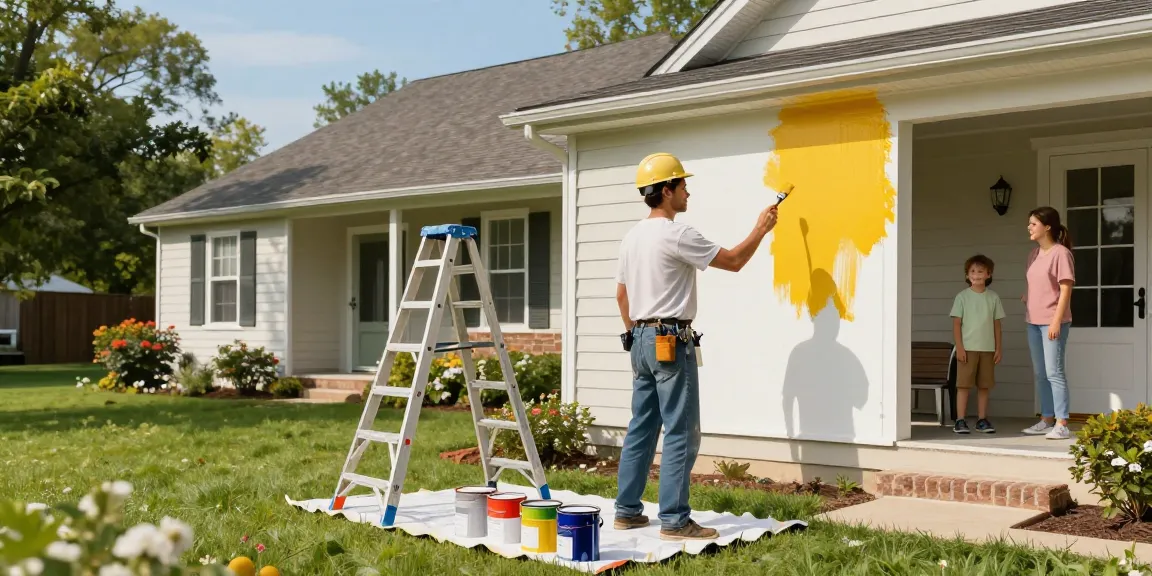
Regular maintenance is key to preserving the beauty and structure of your colonial home. Schedule periodic inspections for the roof, foundation, and drainage systems. The exterior, especially if made from wood or brick, will need regular upkeep to prevent damage from weather and wear over time. Simple routine tasks such as cleaning gutters, repainting, and checking for rot can significantly extend the lifespan of your home.
Enhancing Curb Appeal
Enhancing curb appeal is essential not just for personal satisfaction but also for maintaining property value. For colonial homes, this can include landscaping that complements the home’s traditional elements, such as well-maintained gardens, pathways, and historical fencing. Adding period-appropriate fixtures such as lanterns or door knockers can also significantly enhance your home’s visual appeal.
Sustainable Practices for Longevity
Sustainable practices can promote the longevity of your colonial home while aligning with eco-friendly modern living. These can include utilizing energy-efficient windows, installing solar panels discreetly on the roof, and employing rainwater collection systems. Emphasizing sustainability not only reduces environmental impact but can also lead to significant cost savings in the long run through energy conservation.
Frequently Asked Questions
1. What is the typical size of a colonial home?
Colonial homes can vary greatly in size, but most traditionally range from 1,500 to 3,500 square feet, depending on design and layout.
2. What is the best material for a colonial home?
Popular materials include wood, brick, and stone, as they both reflect historical accuracy and provide durability.
3. Are colonial homes energy efficient?
Many colonial homes can be energy-efficient with proper insulation, updated windows, and modern heating and cooling systems.
4. How can I maintain the historical integrity of my colonial home?
Preserve historical integrity by using traditional materials, maintaining architectural details, and adhering to local preservation guidelines.
5. Is it possible to modernize a colonial home design?
Yes, many homeowners modernize colonial homes by integrating open floor plans, modern amenities, and energy-efficient systems while respecting traditional aesthetics.