
- Understanding Mediation in Family and Estate Matters
- The Role of a Mediator
- Preparing for Mediation Sessions
- Effective Communication During Mediation
- Common Challenges in Family Mediation
- Strategies for Successful Mediation Outcomes
- Mediation for Estate Planning Disputes
- Confidentiality in Mediation
- When to Seek Mediation
- Choosing the Right Mediator
- Benefits of Mediation Over Litigation
- Conclusion
Understanding Mediation in Family and Estate Matters
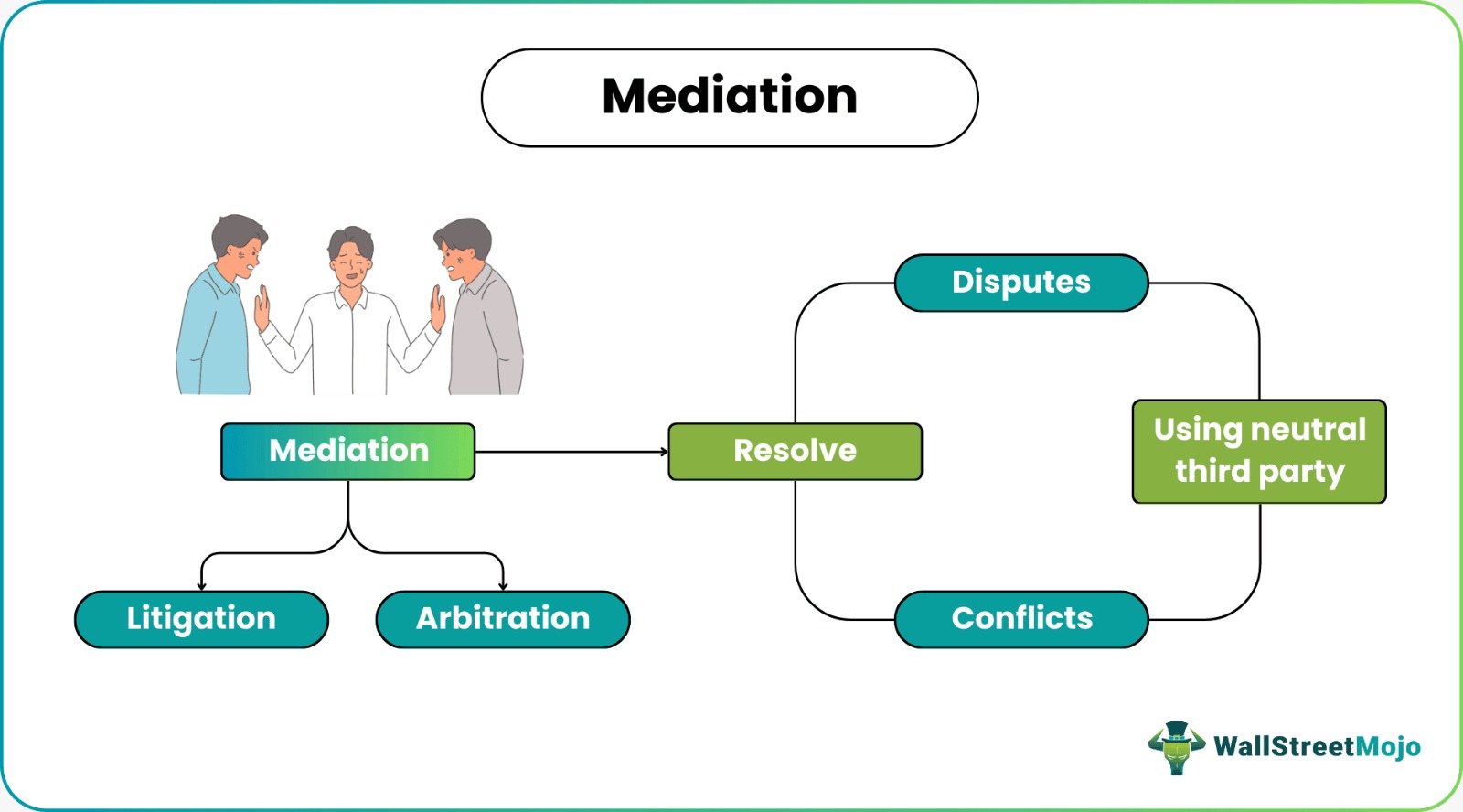
Mediation is an increasingly popular method for resolving family and estate disputes without resorting to lengthy court battles. Unlike litigation, Mediation allows parties to engage in a structured dialogue with the help of a neutral third-party mediator. The primary goal of mediation is to encourage open communication, identify underlying issues, and achieve mutually satisfactory agreements. By understanding the mediation process, families can avoid unnecessary stress and preserve relationships while resolving complex estate matters.
The Role of a Mediator
A mediator is a trained professional who facilitates discussions between disputing parties. In family and estate disputes, the mediator’s role is not to make decisions but to guide conversations and help participants reach agreements. Mediation is often more flexible than court proceedings, allowing solutions tailored to the unique needs of the family. A mediator can help clarify issues, manage emotions, and keep discussions focused on productive outcomes.
Preparing for Mediation Sessions
Preparation is essential for successful mediation. Parties should gather relevant documents, including wills, trusts, property records, and financial statements. Preparing a list of priorities and desired outcomes can help participants clearly communicate their needs. Mediation works best when all parties are committed to honest dialogue and willing to compromise. Setting realistic expectations and understanding that mediation is a collaborative process can greatly enhance the chances of reaching an agreement.
Effective Communication During Mediation
Clear and respectful communication is crucial in mediation. Active listening, avoiding interruptions, and acknowledging the other party’s perspective can help build trust. Mediation provides a safe environment where participants can express emotions without fear of judgment. Practicing calm and constructive communication can reduce tension and make it easier to find common ground. Mediators often provide techniques for managing conflict and guiding discussions in a positive direction.
Common Challenges in Family Mediation
Family and estate disputes often involve emotional and financial complexities. Conflicts over inheritance, guardianship, or property division can heighten tensions. Mediation helps identify the core issues and separate them from personal grievances. While mediation cannot guarantee resolution, it provides a structured approach that increases the likelihood of finding mutually acceptable solutions. Recognizing potential challenges beforehand can help participants approach mediation with a realistic mindset.
Strategies for Successful Mediation Outcomes
Several strategies can improve mediation outcomes. First, focusing on interests rather than positions encourages creative solutions. For example, instead of arguing over a specific asset, parties can explore options that satisfy everyone’s underlying needs. Second, keeping discussions solution-oriented and avoiding blame promotes cooperation. Third, involving professionals such as financial advisors or legal consultants can provide valuable guidance during mediation. Consistency, patience, and a willingness to compromise are key to achieving lasting resolutions.
Mediation for Estate Planning Disputes
Estate disputes often arise due to unclear wills, complex family dynamics, or contested trusts. Mediation is particularly effective in these cases because it allows parties to clarify intentions and address misunderstandings before escalating to litigation. Mediation helps maintain family harmony by fostering dialogue and offering creative solutions, such as equitable asset distribution or structured payment plans. By using mediation, families can resolve disputes while minimizing legal costs and emotional strain.
Confidentiality in Mediation
One of the most significant benefits of mediation is confidentiality. Unlike court proceedings, which are public, mediation sessions are private. This confidentiality encourages open discussion and honest communication, allowing parties to explore solutions without fear of public scrutiny. Maintaining privacy is especially important in family and estate matters, where sensitive information about finances or personal relationships may be involved. Mediators are bound by ethical standards to ensure confidentiality throughout the process.
When to Seek Mediation
Mediation is beneficial at various stages of family and estate disputes. It can be used proactively during estate planning to prevent future conflicts or reactively when disagreements arise over asset distribution, guardianship, or inheritance. Seeking mediation early can prevent disputes from escalating and reduce the likelihood of costly litigation. Even when parties are initially resistant, mediation often becomes an effective tool for resolving disagreements once the process begins.
Choosing the Right Mediator
Selecting an experienced mediator is essential for successful outcomes. Look for professionals with expertise in family law, estate planning, and dispute resolution. A skilled mediator can identify underlying issues, manage emotions, and propose fair solutions. References, credentials, and prior experience in similar cases can help ensure the mediator is well-suited for your dispute. The right mediator can make the difference between a productive session and a prolonged conflict.
Benefits of Mediation Over Litigation
Mediation offers several advantages over traditional litigation. It is typically faster, more cost-effective, and less adversarial. Mediation encourages collaboration, allowing parties to preserve relationships while reaching agreements. Additionally, mediation provides flexibility in crafting customized solutions that courts may not offer. For families dealing with sensitive issues, mediation reduces stress and promotes understanding, creating a more positive environment for resolving disputes.
Conclusion
Mediation is a powerful tool for resolving family and estate disputes efficiently and amicably. By understanding the mediation process, preparing effectively, communicating clearly, and selecting a skilled mediator, parties can achieve meaningful resolutions while preserving relationships. Mediation encourages collaboration, reduces emotional and financial strain, and allows families to address complex issues with fairness and respect. Families who embrace mediation often find that it provides not only practical solutions but also lasting peace and understanding. Engaging in mediation can transform contentious disputes into opportunities for cooperation, making it an essential option for smooth and successful conflict resolution.