
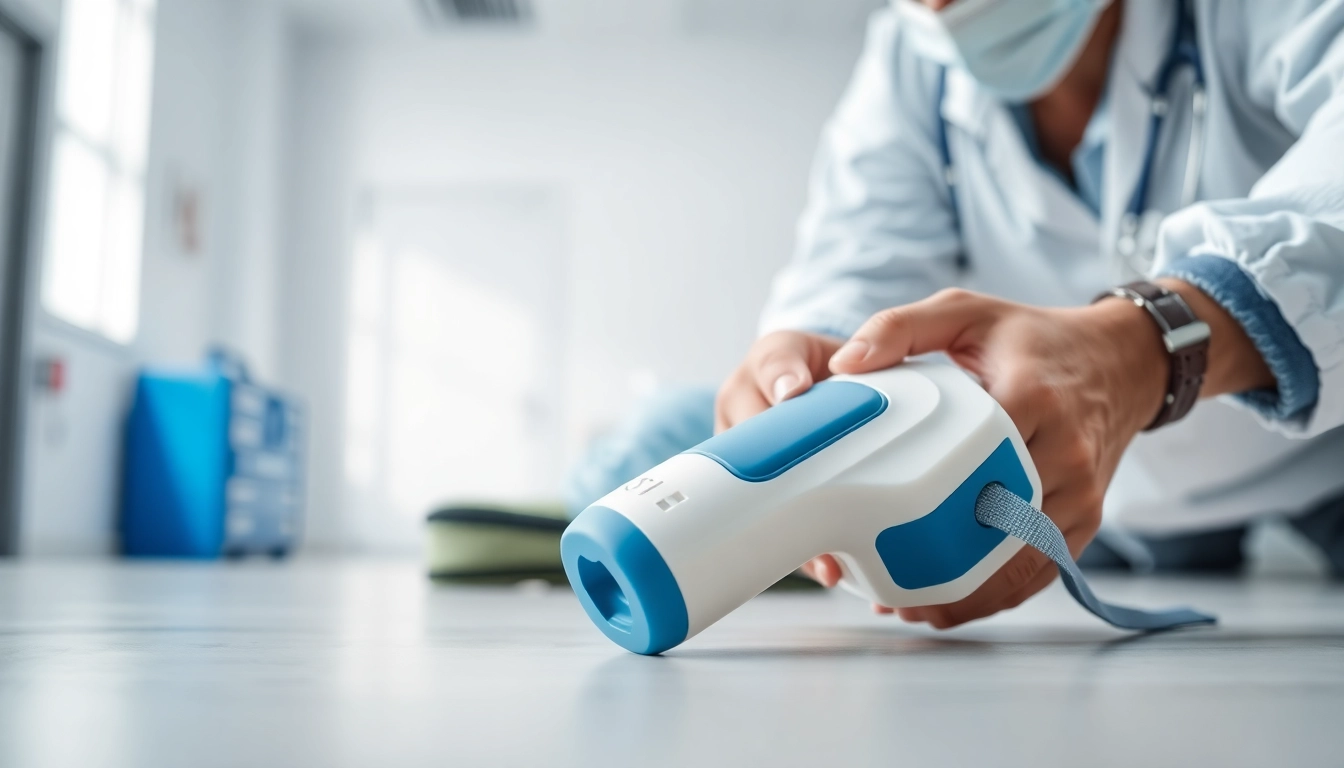
Understanding Choking Hazards
Choking can arise suddenly and poses a significant risk to individual safety, especially among vulnerable populations, including infants, children, and the elderly. Recognizing the potential hazards, understanding the causes, and familiarizing oneself with preventive measures are crucial for effective emergency response. One effective tool in these situations is the choking rescue device, which can save lives when used correctly.
Common Causes of Choking
Choking can occur from various sources, including:
- Food items: Small, hard foods such as nuts, grapes, and popcorn are common culprits, especially for children.
- Objects: Non-food items such as coins, toys, or small household items can also lead to choking, particularly in infants and toddlers.
- Medical Conditions: Certain medical conditions can increase the risk of choking, such as neurological disorders that affect swallowing.
Signs of Choking
It is critical to recognize the signs of choking quickly to respond effectively. Key indicators may include:
- Inability to speak or breathe: A person may panic and grasp their neck.
- Coughing or wheezing: This may indicate that the airway is partially obstructed.
- Turning blue: Cyanosis around lips or fingertips may suggest severe choking.
Risk Factors
Various factors can increase the likelihood of choking incidents, such as:
- Age: Infants and young children are particularly at risk due to their curiosity and tendency to explore with their mouths.
- Eating Behaviors: Eating quickly or talking while eating can increase the risk of choking.
- Physical and Cognitive Limitations: Older adults and individuals with disabilities may face challenges that increase the risk of choking.
Overview of Choking Rescue Device
As choking poses a significant risk to life, choking rescue devices serve as crucial tools in emergency situations. These devices are designed to create negative pressure, facilitating the removal of obstructions that may block the airway.
What is a Choking Rescue Device?
A choking rescue device is a medical or safety tool intended to assist in relieving airway obstructions. Unlike traditional methods, these devices leverage suction technology to clear blockages without requiring invasive procedures. They are typically portable, easy to use, and suitable for various age groups.
How It Works
The mechanics behind choking rescue devices revolve around the creation of suction. When applied, the device forms a seal around the mouth, generating enough negative pressure to dislodge obstructions lodged in the throat. The process allows the device to extract foreign materials without forcing air back into the respiratory tract, a common issue associated with traditional methods like the Heimlich maneuver.
Types of Choking Rescue Devices
There are a few notable types of choking rescue devices on the market:
- Portable Suction Devices: These are compact systems designed for quick deployment in emergencies, often featuring a one-way valve to prevent air from escaping.
- Handheld Devices: These are typically easy to use at home or in public spaces, offering a simple mechanism to generate suction.
- Battery-operated Models: Some devices employ batteries to enhance suction efficiency, making them even more user-friendly in life-threatening situations.
How to Use a Choking Rescue Device
Effectively using a choking rescue device can make a crucial difference during emergencies. Understanding the proper technique is essential for saving a life.
Step-by-Step Instructions
Here is a basic guideline on how to use a choking rescue device:
- Assess the Situation: Check if the person is indeed choking. Look for signs like inability to breathe or speak.
- Position the Person: If possible, position the person safely, whether sitting or standing.
- Apply the Device: Seal the device firmly over the mouth following the manufacturer’s instructions.
- Generate Suction: Activate the device to create suction, following any specifications for duration and technique.
- Monitor Response: Check if the obstruction has been cleared and the person’s airway is open.
Precautions to Follow
While using a choking rescue device, several precautions are vital:
- Always read the user manual. Different devices may have specific operating instructions.
- Ensure the device is properly maintained and stored in an accessible location.
- Do not use the device on individuals who are not choking or showing symptoms of obstruction.
Post-Use Considerations
After using a choking rescue device, consider these steps:
- Seek Medical Attention: Even if the obstruction seems resolved, it’s crucial to have the individual checked by a healthcare professional.
- Evaluate the Device: Inspect the efficiency of the device after use and ensure it is ready for future emergencies.
Effectiveness and Limitations
Though choking rescue devices are beneficial, it’s essential to analyze their effectiveness and limitations in real-world scenarios.
Comparative Analysis with Traditional Techniques
Traditional choking methods, such as abdominal thrusts or back blows, have long been relied upon for choking emergencies. However, numerous studies suggest that choking rescue devices may provide greater effectiveness and safety. They eliminate the risk of injury often associated with traditional techniques, particularly for vulnerable populations.
User Experiences and Testimonials
Feedback from users of choking rescue devices often highlights their ease of use and efficiency in emergencies. Recipients of aid often express gratitude for these devices, noting that the suction technology offered immediate relief during critical situations. Personal testimonies showcase life-saving incidents that reinforce the importance of having these devices readily available.
Limitations of the Devices
No device is without its drawbacks. Common limitations include:
- Learning Curve: Users must be familiar with the operation of the device, which requires training to be effective during high-stress situations.
- Situational Compatibility: Not all devices are suitable for everyone, especially infants, requiring specific designs for different age groups.
- Cost: The investment in choking rescue devices can be a consideration for some households or organizations, particularly those with budget constraints.
Best Practices for Safety and Readiness
Ensuring safety and readiness in case of a choking emergency encompasses various best practices that can enhance preparedness.
Regular Training and Preparedness
Knowledge is power. Regular training sessions on using choking rescue devices—attended by caregivers, teachers, and family members—help people feel confident in their ability to act in emergencies. Organizations can also arrange workshops to prepare employees to assist in critical situations.
Storing the Device Properly
Devices should be stored within easy reach in common areas such as kitchens or family rooms, ensuring that they are accessible when needed. Regular checks can help guarantee that the device is in good working condition and ready for emergencies.
Staying Informed About Updates
As medical technology evolves, so do guidelines for best practices regarding choking and the use of devices. It’s essential to stay informed about any advancements or recommended training updates to ensure the most effective response and care.
FAQs about Choking Rescue Devices
1. What is a choking rescue device?
A choking rescue device is a tool designed to help clear airway obstructions by creating suction, effectively removing blockages without invasive methods.
2. Are choking rescue devices effective?
Many studies show that choking rescue devices can be more effective than traditional methods, as they minimize the risk of injury and are easier for untrained bystanders to use.
3. Can children use choking rescue devices?
Some choking rescue devices are specifically designed for children, but it’s essential to ensure that the device used is appropriate for the child’s age and size to avoid complications.
4. How should I store a choking rescue device?
Store choking rescue devices in easily accessible locations, such as kitchens or living rooms, and ensure they are regularly checked for functionality.
5. Do I need training to use a choking rescue device?
While some basic understanding is beneficial, proper training on using these devices can significantly increase effectiveness during an emergency.