
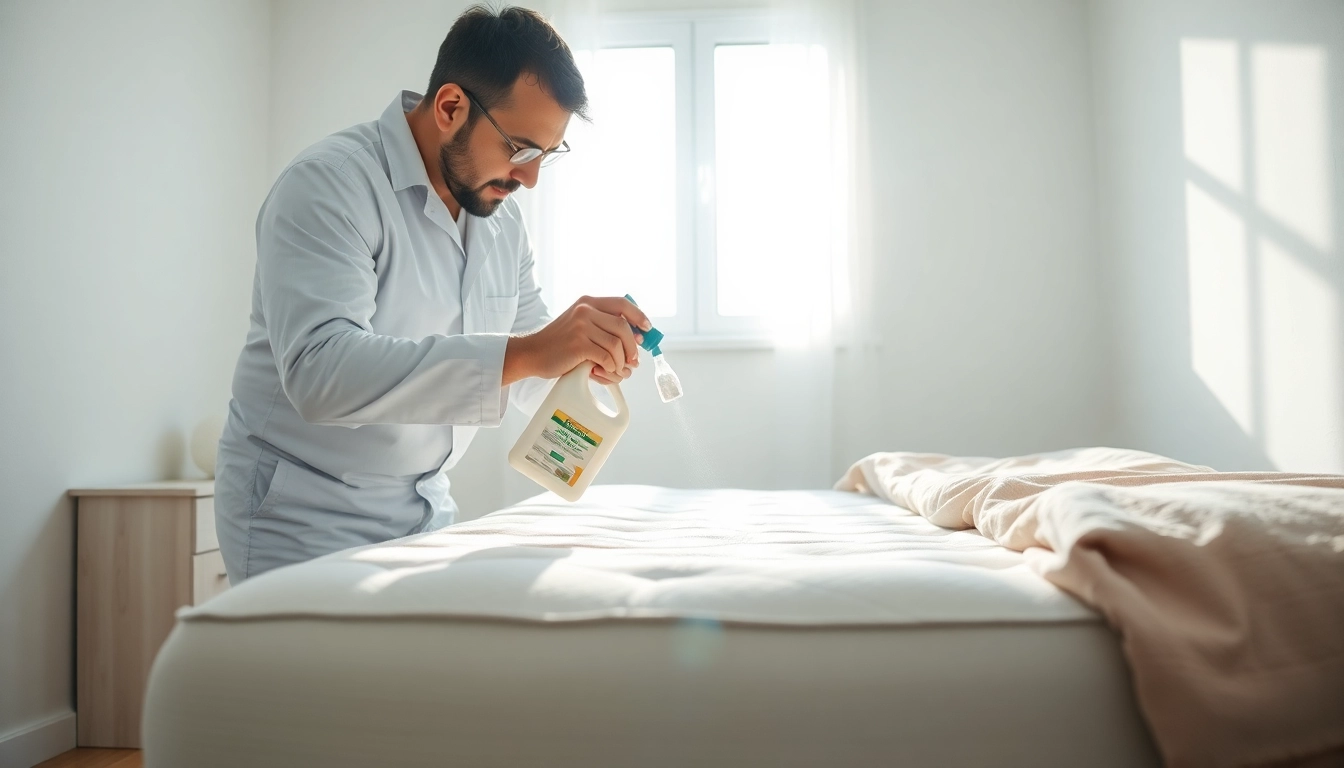
Understanding Bed Bugs and Their Behavior
What are Bed Bugs?
Bed bugs are small, wingless insects belonging to the Cimicidae family, primarily known for their parasitic behavior, feeding on the blood of humans and animals. Adult bed bugs typically measure about 4 to 5 mm in length, are reddish-brown in color, and have a flat, oval body shape, which allows them to hide easily in cracks and crevices. These pests are notorious for their resilience and ability to reproduce rapidly, making them a significant concern for homeowners.
Signs of Infestation
Recognizing the signs of a bed bug infestation is crucial for early detection and control. Key indicators include:
- Red or brown stains on sheets or mattresses, often caused by crushed bugs.
- Lively dark spots (bed bug excrement) on bedding and furniture.
- Small white eggs or molted skins found in crevices.
- Severe itching and red welts on the skin after sleeping.
How Bed Bugs Spread
Bed bugs are masters at hitchhiking, which means they can easily spread from one location to another. Common ways bed bugs spread include:
- Traveling on luggage, clothing, or personal belongings when visiting infested places.
- Moving from apartment to apartment through shared walls or vents in multifamily housing.
- Being transferred through used furniture or mattresses.
Essential Steps for Bed Bug Control
Initial Detection and Assessment
The first step in effective bed bug control is thorough detection and assessment. This involves:
- Conducting a careful inspection of commonly infested areas such as beds, furniture joints, carpets, and even electrical outlets.
- Utilizing bed bug detection tools, such as specially designed traps and monitors that can capture bugs for identification.
- Checking not just your bedroom, but also other areas like living rooms and even your car.
Preparing Your Home for Treatment
Preparation is vital before initiating treatment. This includes:
- Decluttering the affected area to minimize hiding spots for bed bugs.
- Washing and drying all bedding, linens, and clothing on high heat to kill any hidden bugs and eggs.
- Isolating infested items in plastic bags until treatment has taken place.
Utilizing Non-Chemical Control Methods
Incorporating non-chemical methods can enhance your bed bug control strategy. Consider the following options:
- Heat Treatment: Exposing bed bugs to high temperatures (above 120°F) can effectively kill them. Using a portable heater, you can treat localized areas.
- Cold Treatment: Freezing infested items for at least four days can eliminate bugs and eggs.
- Vacuuming: Regularly vacuuming carpets and furniture will help remove bed bugs. Be sure to dispose of the vacuum bag contents immediately in a sealed bag.
Chemical Treatments for Bed Bug Control
Types of Insecticides
Chemical treatments can be an essential component of bed bug control. Various types of insecticides are available, including:
- Pyrethroids: Synthetic chemicals that effectively kill bed bugs on contact, although some populations have developed resistance.
- Insect Growth Regulators (IGRs): These disrupt the life cycle of bed bugs, preventing them from maturing or reproducing.
- Desiccants: Chemicals that dry out bed bugs and are effective in killing them when applied in areas where they hide.
Safety Considerations During Application
While applying chemical treatments, always observe safety measures, including:
- Wearing protective gear such as gloves and masks to avoid skin contact and inhalation.
- Ensuring pets and family members are out of the treated area until it is safe to return.
- Properly ventilating the area during and after application to minimize chemical exposure.
Effectiveness and Timing
Chemical treatments may require multiple applications to be fully effective in eliminating bed bugs. The timing of follow-ups plays a crucial role:
- Follow-ups are typically scheduled every 7-10 days, aligning with the bed bug life cycle.
- Monitor after each treatment to determine if additional action is necessary.
- Combining chemical and non-chemical methods increases overall effectiveness.
Professional Bed Bug Extermination Services
When to Call a Professional
Determining when to seek professional help is crucial. Call a professional exterminator if:
- You experience a severe infestation that seems overwhelming to handle alone.
- Previous DIY methods failed to provide significant relief.
- You are unsure about the proper application of chemical treatments.
What to Expect from an Extermination Service
When hiring a professional, you can expect:
- A thorough inspection of your property to assess the extent of the infestation.
- A detailed treatment plan that often includes a combination of methods tailored to your environment.
- Follow-up inspections to ensure the treatment’s effectiveness and to monitor for any signs of resurgence.
Evaluating Service Providers
Choosing the right pest control service is essential. Evaluate providers by considering:
- Checking for pest control licenses and certifications.
- Reading customer reviews and testimonials to gauge their reputation.
- Asking about their pest management strategies and treatment products to ensure they meet your preferences (eco-friendly, etc.).
Ongoing Prevention Strategies for Bed Bug Control
Regular Inspection Practices
After treatment, it’s vital to implement regular inspections as a preventive measure. This includes:
- Conducting checks of beds, furniture, and commonly traveled areas once a month.
- Using bed bug monitors throughout your home to detect any potential resurgence early.
- Staying vigilant especially after traveling or purchasing second-hand items.
Maintaining Cleanliness in Your Home
Keeping your home clean and orderly greatly minimizes the chances of infestations. Important practices include:
- Regularly vacuuming carpets and upholstery to eliminate any potential eggs or bugs.
- Washing and drying bed linens and clothing routinely, especially after guests stay.
- Reducing clutter, as it provides numerous hiding spots for bed bugs.
Using Bed Bug Monitors and Traps
Installing bed bug monitors and traps can greatly assist in early detection. Considerations include:
- Placing traps near bed legs and furniture edges to catch any wandering bugs.
- Using passive monitors to intercept bed bugs as they travel to their feeding sites.
- Regularly checking and maintaining the traps to ensure they remain effective.
Frequently Asked Questions
How Can I Tell if I Have Bed Bugs?
Look for bite marks on your skin, dark fecal spots, or blood stains on bedding. Regularly inspect hidden areas in your home.
Are Bed Bugs Dangerous?
While bed bugs are not known to transmit diseases, their bites can cause allergic reactions and severe itching, leading to secondary infections.
How Long Does It Take to Get Rid of Bed Bugs?
Elimination can take several weeks, often requiring multiple treatments. The time frame depends on infestation severity and treatment methods.
Can I Treat Bed Bugs Myself?
Yes, through methods like vacuuming, heat treatment, and non-chemical sprays. However, severe infestations often need professional intervention.
How Can I Prevent Bed Bugs from Returning?
Implement regular inspections, maintain cleanliness, declutter, and remain vigilant during travel to minimize the risk of resurgence.