Understanding Structural Steel Installation
What is Structural Steel Installation?
Structural steel installation refers to the process of assembling steel components into a framework that serves as the backbone for various types of buildings and structures. This process involves erecting columns, beams, and trusses that create a skeleton to support floors, roofs, and walls. The work is generally performed on-site and requires skilled labor to ensure safety and structural integrity. A well-executed structural steel installation lays the foundation for successful construction and longevity of the building.
Importance of Structural Steel in Construction
Structural steel is vital in modern construction due to its numerous advantages. It is known for its high strength-to-weight ratio, which allows for the construction of large open spaces without the need for excessive support structures. Additionally, steel is durable, fire-resistant, and can withstand extreme weather conditions. These characteristics make structural steel a preferred choice for various buildings, including skyscrapers, bridges, and industrial facilities. Moreover, steel can be recycled, contributing to sustainable construction practices.
Overview of the Installation Process
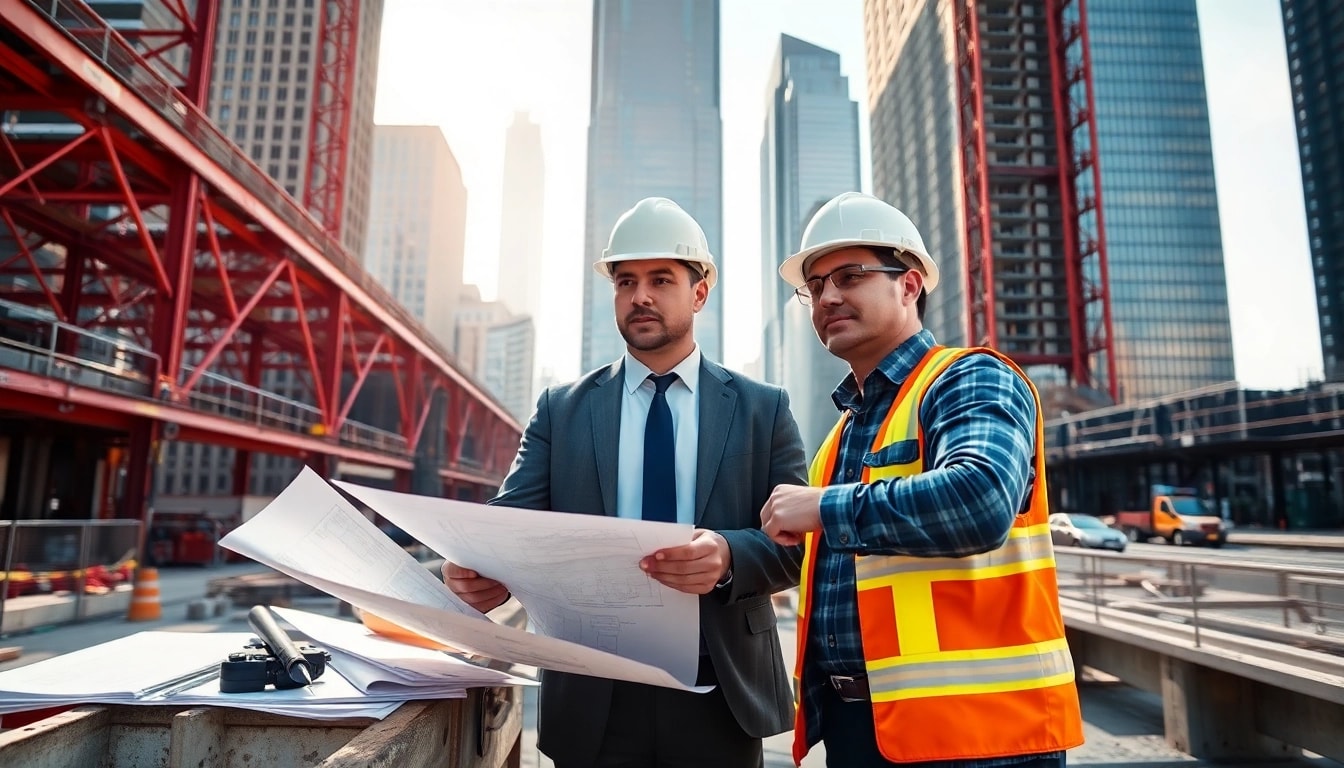
The installation process of structural steel typically involves several key steps, including site preparation, component fabrication, and frame erection. Each of these steps requires careful planning and execution to ensure the project progresses smoothly. From securing necessary permits to coordinating with other construction trades, the installation of structural steel must be a well-coordinated effort to prevent delays and ensure overall safety. Understanding the nuances of installation will empower project managers and contractors to meet deadlines and maintain quality standards.
Preparing for Successful Steel Erection
Site Assessments and Preparations
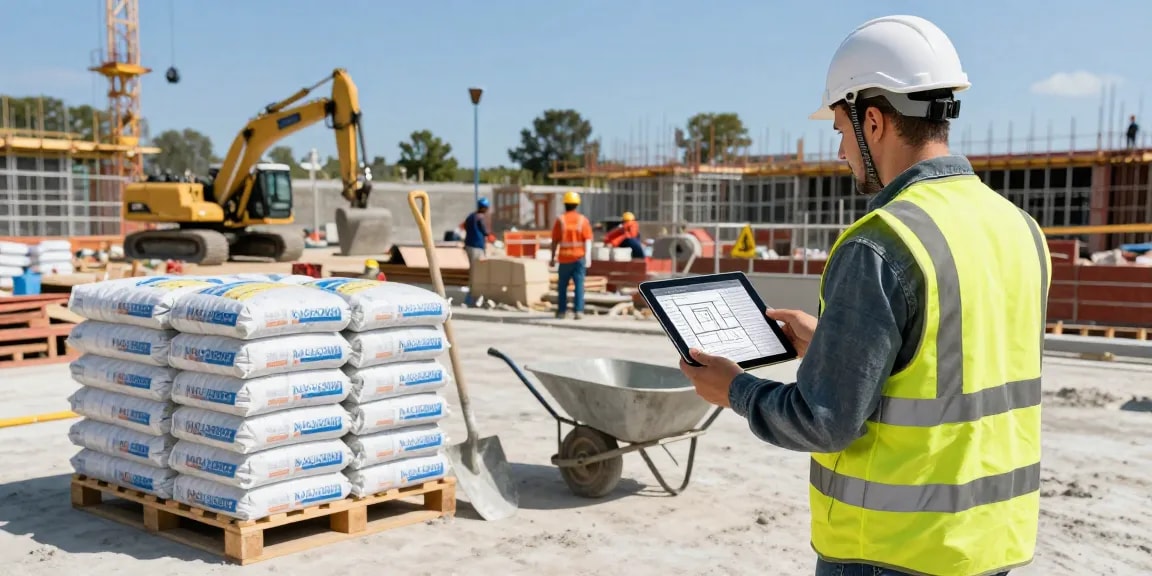
Before beginning the installation of structural steel, conducting thorough site assessments is crucial. This includes evaluating soil conditions, ensuring proper drainage, and identifying any potential obstacles that may hinder the installation process. Surveys should also be conducted to see how natural and man-made structures will interact with the new construction.
Site preparation may also involve clearing the area, establishing access paths, and ensuring that utility lines are marked and respected. These preparatory steps help mitigate risks and facilitate a smooth installation process.
Essential Tools and Equipment
Several tools and types of equipment are necessary during structural steel installation, including the following:
- Cranes: Used to lift and position heavy steel components.
- Forklifts: Useful for moving smaller steel sections around the job site.
- Welding Equipment: Essential for joining parts through welding where bolting is not feasible.
- Personal Protective Equipment (PPE): Hard hats, safety glasses, gloves, and harnesses protect workers from on-site hazards.
Ensuring the availability and proper maintenance of these tools prior to the beginning of the installation phase can greatly enhance efficiency and workplace safety.
Safety Measures and Protocols
Safety is paramount in structural steel installation. Adhering to OSHA regulations and implementing site-specific safety protocols is crucial in minimizing accidents and injuries. Key safety measures include:
- Conduct regular safety training and drills for all personnel.
- Implement fall protection systems when working at heights.
- Establish clear communication protocols among team members.
- Inspect all equipment and tools regularly to ensure they are in good condition.
By prioritizing safety, construction teams help protect workers and ensure a more efficient workflow.
Steps in the Steel Installation Process
Initial Setup and Groundwork
The installation process begins with setting up a robust foundation for the structural steel. This may require pouring concrete footings or establishing anchor bolts. The groundwork lays the essential support necessary for the steel framework.
After the groundwork is ready, precise measurements should be taken to ensure that the initial steel columns are correctly placed. Most often, this requires laser-level techniques to achieve utmost accuracy.
Column and Beam Placement Techniques
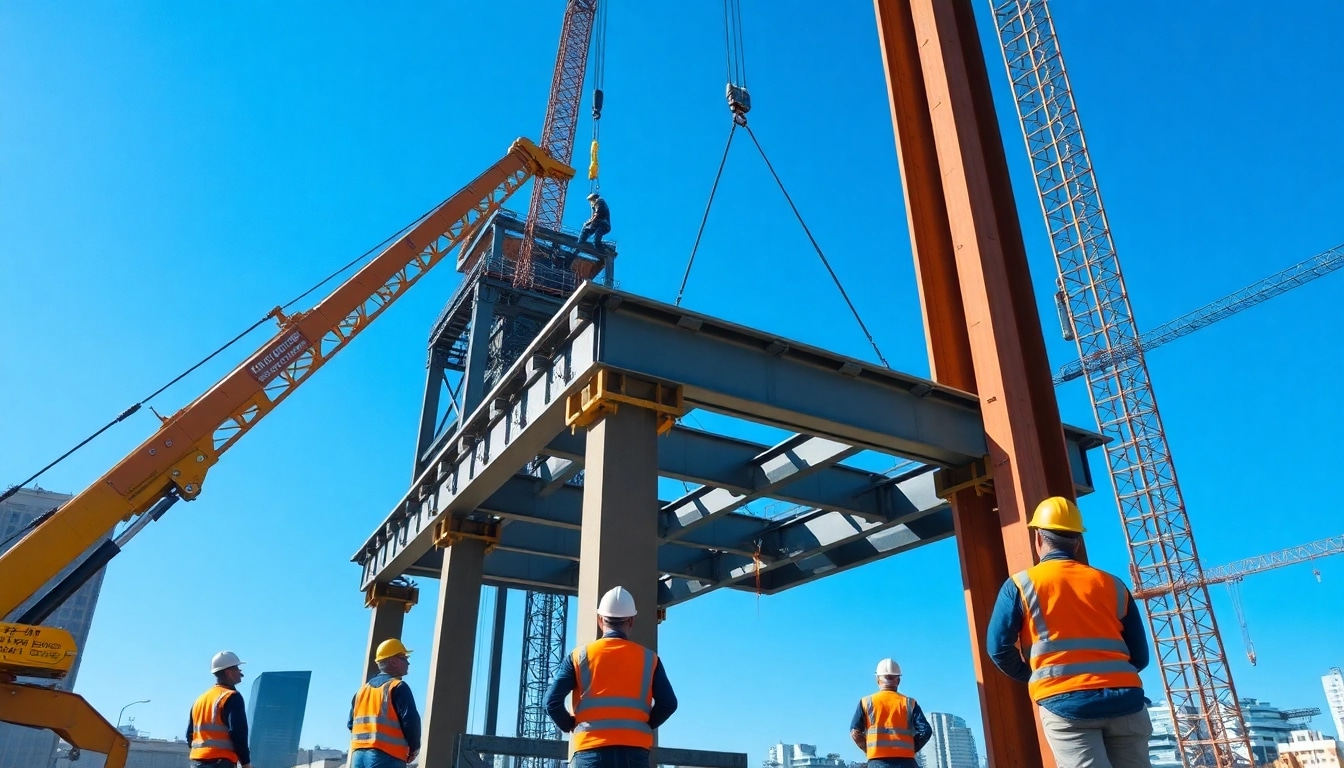
With the groundwork properly set, the next step entails placing columns and beams systemically. This requires a team of skilled workers and proper lifting equipment such as cranes to maneuver heavy components into position accurately.
Initially, the columns are erected and temporarily braced. Beams are positioned between columns to form grids that will support additional structural elements. Careful attention should be paid to ensure everything is level and plumb to meet design specifications.
Bolting and Welding: Ensuring Structural Integrity
Once the columns and beams are securely positioned, they are either bolted or welded together to ensure structural integrity. Bolting is the more common method due to its speed and comparative ease. It involves connecting steel pieces using high-strength bolts. On the other hand, welding is preferred in scenarios where additional strength is necessary, such as in dynamic load situations.
After installation, it is recommended to conduct inspections and strength tests to ascertain that all joints are secure. Such quality control measures ensure safety and structural reliability throughout the lifetime of the building.
Best Practices for Structural Steel Installation
Quality Control and Inspection Strategies
Quality control during the installation process is essential to ensure the finished structure meets all design specifications and safety standards. Implementing a checklist for each phase of the installation can help provide a systematic approach to quality assurance.
Inspection strategies should include:
- Visual inspections post-erection for any visible defects.
- Non-destructive testing (such as ultrasonic or radiographic methods) to identify flaws within the welds or steel material.
- Regular audits of the installation process to ensure compliance with engineering specifications.
Conducting these inspections routinely safeguards against future structural failures and extends the lifespan of the building.
Common Challenges and Solutions
Structural steel installation is not without its challenges. Common issues include delays due to weather conditions, unexpected labor shortages, and miscommunication between trades. Effective project management and contingency planning can address many of these challenges.
For instance, having a flexible project schedule that accounts for possible weather interruptions will help mitigate delays. Moreover, cultivating a team-oriented culture that emphasizes communication fosters collaboration, reducing potential miscommunications significantly.
Drilling Down into Cost Efficiency
Cost efficiency is paramount in structural steel installation. Budgetary constraints need to be managed through careful planning and execution. Continuous assessment of material procurement, labor costs, and equipment rentals can yield savings that help keep a project within budget.
Utilizing prefabricated components wherever possible can also cut costs, save time, and minimize waste on-site. This practice improves efficiency while maintaining quality throughout the installation process. Effective budgeting strategies must also account for potential overruns to ensure resources are always available.
Future Trends in Structural Steel Installation
Technological Advances Impacting Installation
The structural steel industry is witnessing technological advancements that enhance installation efficacy. Innovations such as Building Information Modeling (BIM) allow for comprehensive planning, simulations, and effective collaboration during the design phase. This technology enables stakeholders to foresee problems before they arise, facilitating smooth project execution.
Moreover, robotics and automated welding technologies are set to reshape how installations are performed. As these technologies evolve, they promise improved precision and decreased labor demand, allowing skilled workers to focus on more complex tasks.
Sustainable Practices in Steel Construction
As the construction industry increasingly emphasizes sustainability, structural steel installation must adapt to these concerns. Practices such as using recycled steel and optimizing designs to reduce material usage are becoming more prominent.
Additionally, implementing energy-efficient practices on job sites, such as using electric machinery instead of diesel, further reduces carbon footprints associated with construction activities. Engaging in sustainable project management leads not only to environmental benefits but can also result in financial advantages through cost savings in materials and energy consumption.
The Role of Training and Workforce Development
As the structural steel installation industry continues to evolve, investing in training and workforce development is crucial. Enhanced training programs ensure that workers are familiar with the latest technologies and safety protocols.
Apprenticeships and continuous skill development opportunities allow newcomers to gain essential experience while seasoned professionals can remain competitive in an ever-changing market. As new equipment and techniques become available, a skilled workforce will be better equipped to leverage these advances, ensuring high standards of quality and safety throughout the installation process.