Introduction to Clarksburg Wines
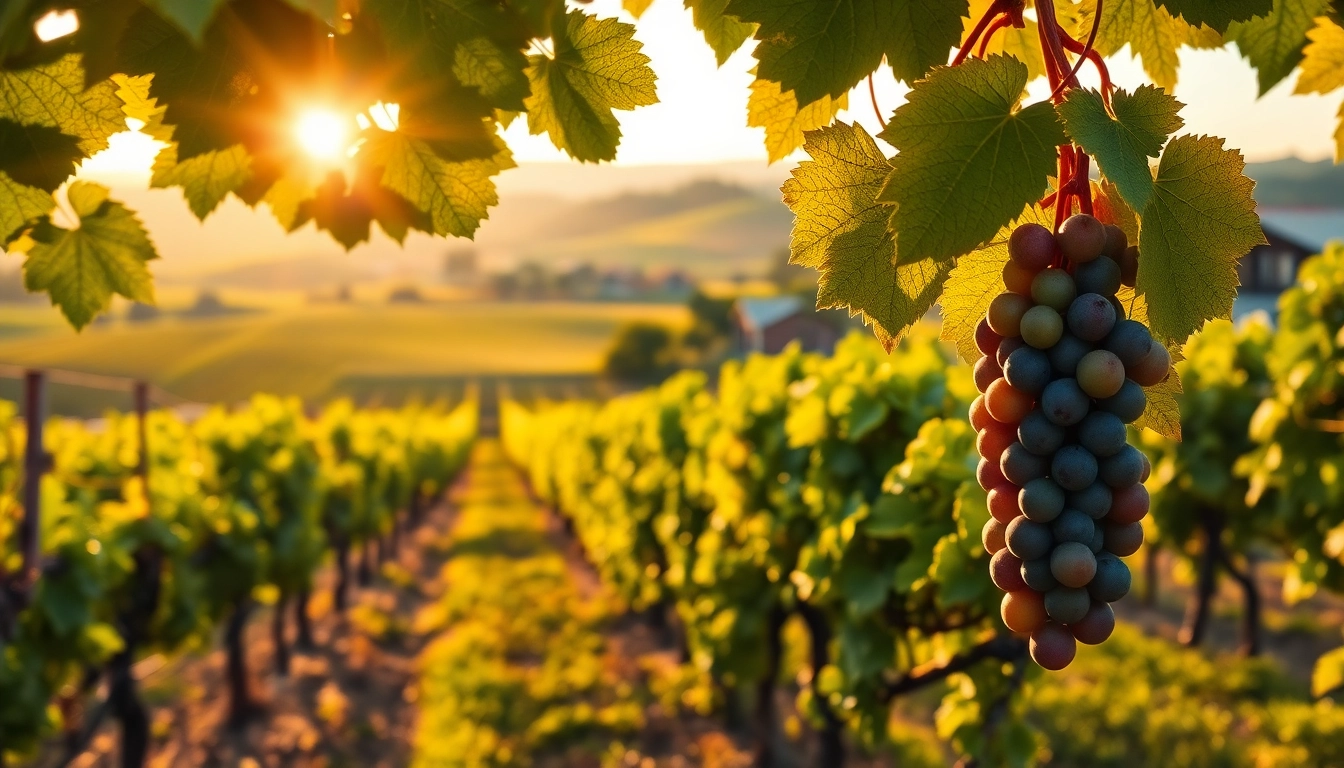
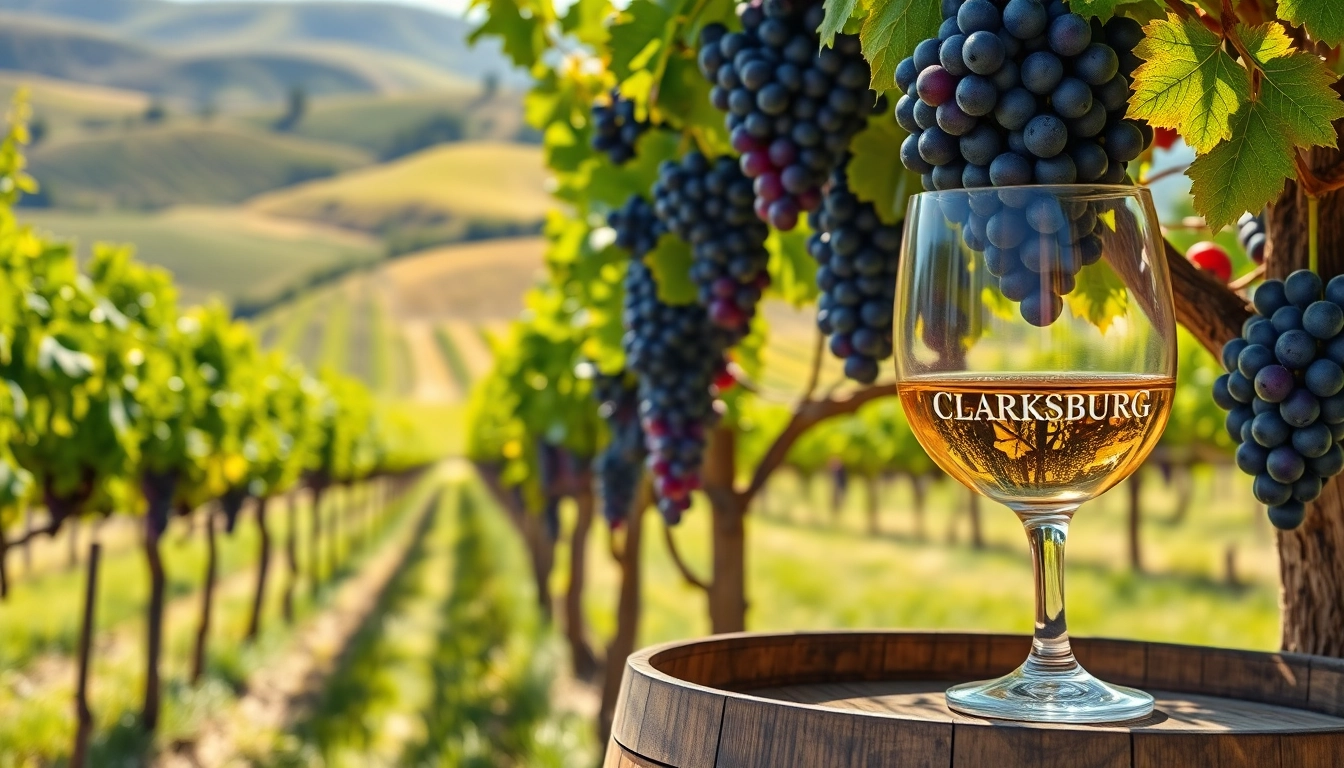
Situated in the heart of California's wine country, Clarksburg is a hidden gem that offers an array of exquisite wines. This region stands out not only for its stunning landscapes but also for its unique climate and diverse terroir that contribute to the quality of Clarksburg wines. By understanding what makes Clarksburg unique, its historical significance in winemaking, and the meticulous processes involved in producing its wines, enthusiasts can truly appreciate the depth and character inherent in every bottle.
What Makes Clarksburg Unique?
The Clarksburg wine region boasts a combination of factors that create ideal growing conditions for vineyards. Located near the confluence of the Sacramento River and the Delta, Clarksburg experiences a distinct microclimate characterized by cool breezes that moderate temperatures, particularly during the critical growing season. With well-drained soils, a mixture of clay and sand, and access to ample sunlight, the region cultivates grapes that are not only flavorful but also complex.
Historical Background of Clarksburg Wine Region
The area surrounding Clarksburg has a rich history that dates back to the mid-1800s when it was first settled by European immigrants. These early settlers discovered the region's potential for viticulture, laying the groundwork for what would eventually become a thriving wine community. After decades of development and refinement, Clarksburg was officially recognized for its quality wine production, culminating in the establishment of the Clarksburg AVA (American Viticultural Area) in 1984. This designation prized the area for its distinctive terroir and recognized it as a standout contender among California’s premier wine regions.
The Winemaking Process in Clarksburg
Winemaking in Clarksburg is an art that combines tradition and innovation. It begins with careful vineyard management, where growers select grape varieties that thrive in the unique climate. Harvesting is typically done by hand to ensure that only ripe grapes are used. Once harvested, the grapes undergo a multi-step process that includes crushing, fermentation, aging, and bottling. Winemakers in Clarksburg emphasize preserving the natural characteristics of the grapes, focusing on minimal intervention to allow for the true expression of the terroir to shine through. This meticulous approach is evident in the full-bodied flavors and aromas found in Clarksburg wines.
Varieties of Clarksburg Wines
Clarksburg is home to an impressive range of wine varieties, catering to diverse palates and preferences. The region excels in both red and white wines, as well as an array of specialty blends, each showcasing the unique characteristics of the grapes grown here.
Red Wines: Bold Flavors and Aromas
The red wines from Clarksburg are known for their bold flavors and complex structures. Varietals such as Cabernet Sauvignon and Zinfandel flourish in the region, bringing with them deep, rich profiles complemented by notes of dark fruit, spice, and tannins. These wines often age gracefully, allowing for the development of nuanced flavors over time. For instance, a Clarksburg Cabernet Sauvignon might exhibit aromas of black cherry and vanilla, followed by a palate of ripe berries, leather, and subtle oak.
White Wines: Crisp and Refreshing Options
On the other hand, Clarksburg’s white wines present a refreshing contrast, frequently characterized by bright acidity and lively fruit flavors. Popular varietals such as Chardonnay and Sauvignon Blanc thrive, often showcasing bright notes of citrus, stone fruit, and floral aromas. Many local producers focus on crafting wines that reflect a crisp, clean style that pairs beautifully with a variety of dishes, making them ideal choices for warm weather or casual gatherings.
Specialty Wines and Blends
Clarksburg is also known for its unique blends and specialty wines that push the boundaries of traditional winemaking. Varietal blends often combine grapes from different varietals to create harmonious and complex flavors that highlight the best of each component. Whether it’s a Rhône-style blend or an innovative take on a classic varietal, these wines represent the creativity and passion of Clarksburg’s winemakers.
Tasting Notes: How to Appreciate Clarksburg Wines
Experiencing the depth of Clarksburg wines goes beyond merely sipping; it involves appreciating the full sensory experience they offer. Understanding flavor profiles, pairing suggestions, and serving tips can enhance any tasting experience.
Identifying Flavor Profiles
Navigating the flavor profiles of Clarksburg wines requires a keen sense of taste and smell. Many red wines here are celebrated for their deep, dark fruit flavors, supplemented by oak aging that adds complexity. White wines are typically more vibrant, showcasing bright citrus notes and herbal undertones. The key to identifying these flavors lies in practicing mindful tasting–taking the time to swirl, sniff, sip, and savor each wine.
Pairing Clarksburg Wines with Food
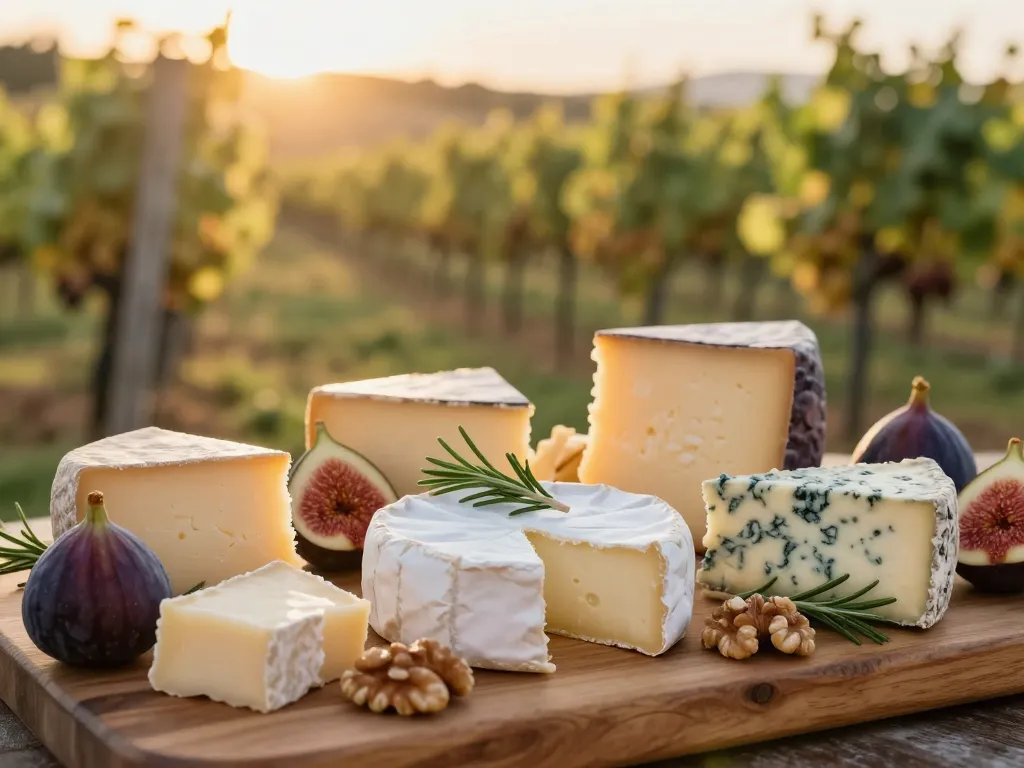
Food and wine pairing enhances the tasting experience, as the right combination can elevate both. Robust red wines from Clarksburg pair beautifully with grilled meats, rich pasta dishes, and aged cheese. On the contrary, the crisp whites complement seafood, grilled vegetables, and light appetizers. Understanding these pairings can lead to delightful culinary discoveries that highlight the wines’ unique characteristics.
Serving and Storing Tips
Proper serving and storage are crucial for maintaining the integrity of Clarksburg wines. Red wines are generally best served at room temperature, while whites should be slightly chilled. When storing, wine should be kept in a dark, cool place, ideally at a consistent temperature. Positioning bottles horizontally can help keep corks moist, preventing oxidation and spoilage.
Visiting Clarksburg: Wine Tours and Tastings
For those eager to experience Clarksburg wines first-hand, visiting the region offers a chance to engage with winemakers, explore beautiful vineyards, and enjoy tastings. Here are some aspects to consider when planning your visit.
Top Vineyards to Visit
Clarksburg is home to several remarkable vineyards, each offering unique tasting experiences. Whether you choose to visit small family-owned wineries or larger operations, each location provides insight into the winemaking process. Interactive tours often include walking through the vineyards, learning about grape varietals, and sampling wines directly from the source, creating a personalized and memorable experience.
Wine Festivals and Events
The Clarksburg area hosts several wine festivals throughout the year that celebrate local vineyards and their offerings. These events provide opportunities for attendees to sample numerous wines, enjoy gourmet food pairings, and meet the passionate individuals who bring these wines to life. Participating in such festivals is an excellent way to immerse yourself in the local wine culture.
Planning Your Wine Tour
When planning a wine tour in Clarksburg, consider creating an itinerary that allows ample time to explore and enjoy each vineyard. It's wise to check for available tastings, reservation requirements, and any guided tours offered. Whether you’re visiting for a day or a weekend, approaching your trip with flexibility can ensure you experience the best of what Clarksburg has to offer.
FAQs about Clarksburg Wines
What types of grapes are grown in Clarksburg?
Clarksburg is known for a diverse array of grape varietals, including Cabernet Sauvignon, Zinfandel, Chardonnay, and Sauvignon Blanc. These varieties thrive due to the region's unique climate and soil conditions.
Are Clarksburg wines available for shipping?
Many wineries in Clarksburg offer shipping options, allowing enthusiasts to enjoy their favorite wines from the comfort of home. Always check with individual wineries for available shipping options.
How can I learn more about Clarksburg wine tastings?
To learn more about Clarksburg wine tastings, consider visiting winery websites or local tourism sites. They often provide information on scheduled tastings, tours, and special events.
What is the best time of year to visit Clarksburg?
The best time to visit Clarksburg is during the spring and fall when weather conditions are generally pleasant and vineyards are particularly scenic. Harvest season, typically in late summer and early fall, is also an exciting time to visit.
Why are Clarksburg wines considered special?
Clarksburg wines are considered special due to their unique terroir, careful winemaking practices, and the diversity of varietals that thrive in the region. Each wine tells a story of place and passion.