Understanding Fly Fishing Essentials
What is Fly Fishing?
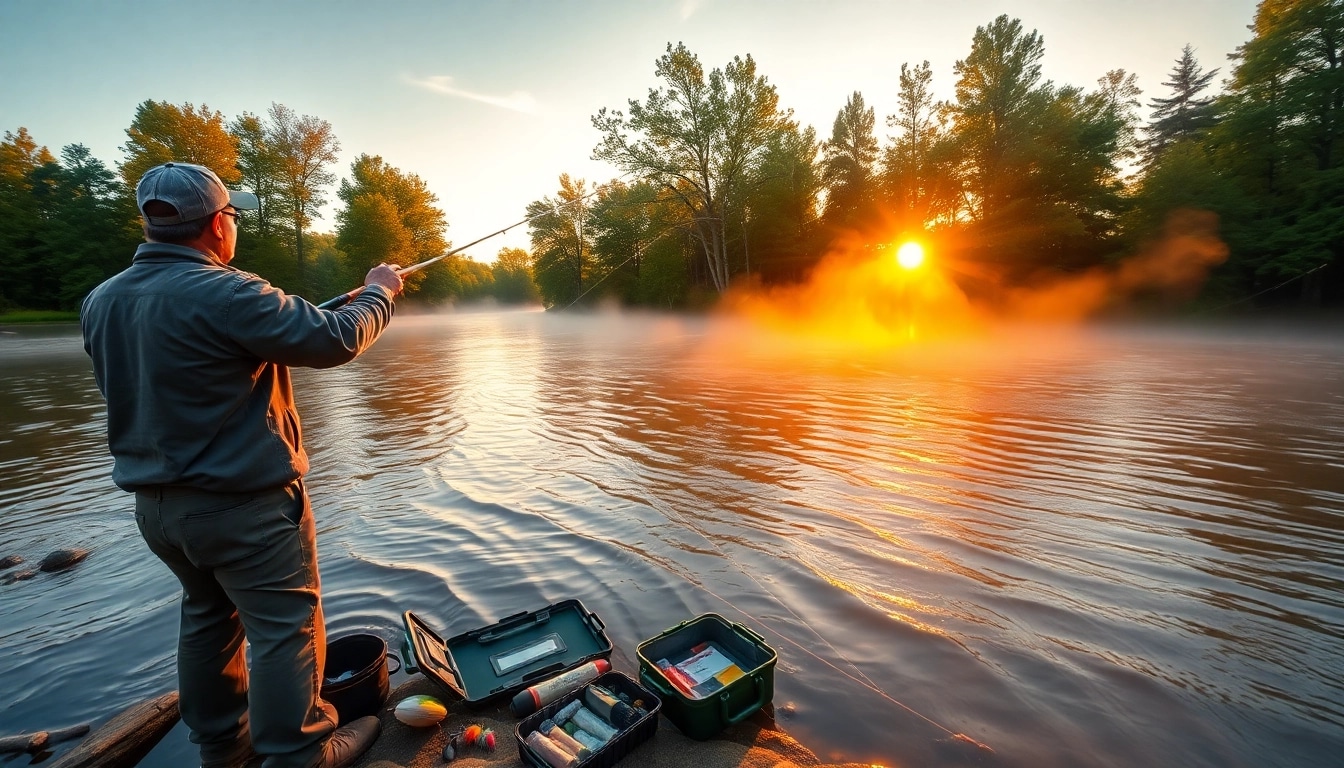
Fly fishing is a unique angling method that relies on the casting of artificial flies to catch fish. Unlike traditional fishing techniques that use bait, fly fishing utilizes lightweight lures, designed to float on water surfaces or drift with the current. The art of fly fishing requires patience, skill, and a deep understanding of fish behavior, making it a rewarding pursuit for anglers, particularly those who appreciate the delicate balance of nature.
Basic Gear for Fly Fishing Beginners
When starting your journey into fly fishing for beginners, it's essential to equip yourself with the right gear. Key components include:
- Fly Rod: Typically 8 to 9 feet in length, designed to cast light flies.
- Fly Reel: A lightweight reel that stores your line and helps retrieve caught fish.
- Fly Line: Specialized line that helps in floating and casting the fly.
- Leader Line: Connects the fly line to your fly, designed to be nearly invisible to fish.
- Flies: Artificial flies imitating aquatic life, critical for attracting fish.
- Waders: Waterproof gear allowing you to wade into rivers and lakes comfortably.
Choosing the Right Location
Finding the perfect fishing spot is vital for success in fly fishing. Look for locations with clear water, gentle currents, and ample cover for fish. Popular fly fishing destinations usually include:
- Rivers and Streams: Often home to trout and other freshwater species.
- Lakes: Larger bodies of water can offer opportunities for many species, including bass and panfish.
- Saltwater Locations: Coastal areas provide exciting challenges with species like tarpon and bonefish.
Learning the Techniques
How to Cast a Fly Rod
Mastering the cast is crucial in fly fishing. To successfully cast a fly rod, follow these steps:
- Begin with the rod at a 10 o'clock position.
- Lift the rod smoothly, increasing speed until it reaches a 2 o'clock position.
- As the rod tip comes down, release the line by stopping abruptly, allowing the fly to gently land on the water.
Practice is key; aim to refine your technique in various conditions for better results.
Understanding Fly Presentation
Fly presentation refers to how your artificial fly appears in the water. Flies must imitate the natural behavior of insects or fish for the best chance of succumbing to bites:
- Drift: Let the fly move naturally with the current.
- Dead-drifting: Keeping the fly stationary while the water flows past it.
- Stripping: Retrieving the fly through water to mimic prey movement.
Essential Knots for Beginners
Securing your fly to the leader line is a fundamental skill. Here are some essential knots every beginner should master:
- Improved Clinch Knot: Great for attaching flies to tippets.
- Loop Knot: Allows the fly to move more freely, increasing its effectiveness.
- Double Uni Knot: An excellent option for tying two lines together.
Choosing Flies and Lures
Understanding Different Types of Flies
Flies come in various categories, each mimicking different types of aquatic life:
- Dry Flies: Float on the water surface, resembling adult insects.
- Nymphs: Subsurface flies, mimicking juvenile aquatic insects.
- Streamers: Imitate larger prey, like minnows or leeches.
Choosing the right type offsets challenges in targeting specific fish species.
Selecting Flies Based on Fish Species
Different fish species prefer particular types of flies. Here’s a guide to selecting flies:
- Trout: Often attracted to dry flies and nymph patterns, especially in flowing water.
- Bass: Enjoy streamers and large poppers, particularly in warmer water conditions.
- Panfish: Prefer small jigs and light nymphs due to their less aggressive feeding style.
Where to Find Quality Flies
Quality flies can be sourced from numerous outlets, including local tackle shops, online retailers, or exchanges at fly tying clubs. Check reviews and consult with local experts for recommendations to ensure you're getting effective flies suited to your locality.
Safety and Sustainability in Fly Fishing
Practicing Catch and Release
Catch and release is a vital practice in maintaining fish populations. If you decide to keep some fish, follow local guidelines for harvesting, ensuring vulnerable species can continue to thrive. Handling fish gently, minimizing air exposure, and using barbless hooks can enhance survival rates post-release.
Staying Safe While Fishing
Safety is paramount during your fishing expeditions. Adhere to these essential safety tips:
- Wear appropriate footwear to prevent slips on rocks or slippery banks.
- Be mindful of weather conditions, especially regarding thunderstorms.
- Carry a first aid kit and familiarize yourself with any wildlife in the area.
Environmentally Friendly Practices
Engaging in sustainable fishing not only preserves ecosystems but enhances the experience. Implement these practices:
- Avoid using harmful plastics and single-use items.
- Clean up your fishing area after use to minimize environmental impact.
- Leave no trace and try to use non-toxic materials for fishing tackle.
Frequently Asked Questions
What do I need to start fly fishing?
At minimum, you'll need a fly rod, reel, line, and flies to begin.
Is fly fishing difficult for beginners?
It can be challenging at first, but with practice, it becomes manageable and enjoyable.
How do I choose the right fly rod?
Select a rod based on your fishing location and the type of fish you aim to catch.
What is the best time for fly fishing?
Early morning and late afternoon are often the most productive times for fly fishing.
How do I practice casting?
Practice casting in open spaces or while wading in shallow waters, focusing on your technique.