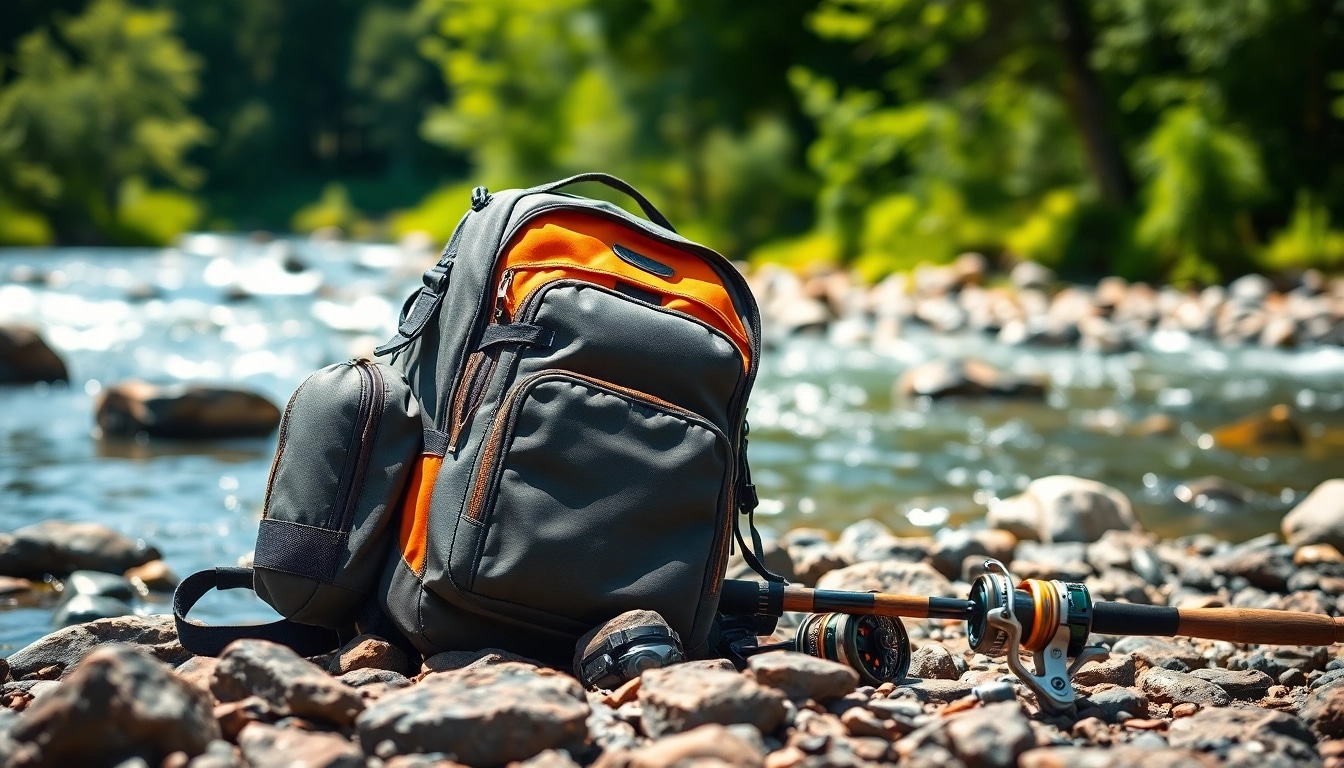
Understanding Fly Fishing Backpacks
When you're out on the water, the last thing you want to worry about is how to carry your gear efficiently. A properly designed fly fishing backpack can make all the difference between a successful fishing trip and a frustrating one. These specialized backpacks are not just convenient; they are crucial for organizing your equipment, ensuring comfort during long treks, and allowing you to focus on what matters most—catching fish.
What Makes a Backpack Ideal for Fishing?
An ideal fly fishing backpack should embody several foundational characteristics tailored to the unique demands of anglers. First, it should offer ample storage without sacrificing mobility. Lightweight materials combined with strategic compartments allow for a greater carrying capacity while ensuring freedom of movement in rugged environments. Also, comfort is paramount; padded straps and back panels can significantly enhance the wearer's experience, especially during extended trips. Finally, the ideal fishing backpack should include features that cater specifically to angling needs, such as rod holders, tackle box sleeves, and even waterproofing capabilities to protect your gear from the elements.
Key Features to Look For
When selecting a fly fishing backpack, it’s vital to consider several key features:
- Storage Solutions: Look for a backpack with multiple compartments and pockets. This includes designated areas for fly boxes, tools, and personal items like snacks and first aid kits.
- Durability: A robust material that withstands outdoor conditions is essential. Look for materials like high-denier nylon and reinforced zippers.
- Weather Resistance: Water-resistant or waterproof materials can protect your gear from rain or splashes.
- Comfort: Padded shoulder straps and an adjustable sternum strap can provide much-needed comfort, especially when carrying heavy loads.
- Accessibility: Ensure that compartments are strategically placed for easy access while on the go. This is especially handy when you need to change flies quickly or grab a snack.
Top Brands in Fishing Backpacks
Numerous reputable brands cater specifically to the fly fishing community, each offering unique features and quality. Some of the top names include:
- Simms: Known for durable, functional designs, Simms produces bags that blend ergonomic principles with practical storage.
- Orvis: With a strong reputation in the angling community, Orvis backpacks often feature waterproof compartments and multifunctional designs.
- Umpqua: Umpqua is notable for workflow-focused designs, making their backpacks ideal for serious anglers who want to have everything on hand.
- Fishpond: Eco-conscious, Fishpond emphasizes sustainability in their designs without compromising on quality or aesthetics.
Essential Storage Solutions
Understanding the storage aspects of a fly fishing backpack is critical to maximizing its potential. Effective organization ensures that you can quickly locate what you need, when you need it, without rummaging through a disorganized pack.
Types of Compartments in Fly Fishing Backpacks
While one could throw everything into a backpack and head out, having well-structured compartments can elevate your fishing experience:
- Main Compartment: This should be spacious enough to hold your bulkier items, like clothing and food.
- Tackle Compartment: A designated slot or organizer for keeping your fly boxes, leaders, tippets, and other fishing components manageable.
- Accessory Pockets: These are ideal for items like sunglasses, sunscreen, and multitools that you may need to access frequently.
- Hydration Sleeve: A dedicated sleeve for a hydration bladder can keep water close at hand and your hands free.
- Outer Pockets: They can be best used for items you might need to grab quickly, such as a camera or net.
Load Distribution and Weight Management
Proper weight distribution is fundamental for maintaining comfort and preventing fatigue during long hikes. Here are some considerations:
- Center of Gravity: Keeping heavier items close to your back and centered above your hips will help maintain balance.
- Sternum and Waist Straps: Using these features effectively distributes weight across the body, reducing strain on your shoulders.
- Picking Packing Order: Load heavier items first, followed by lighter items. Ensure that frequently accessed gear is placed at the top or in outer pockets.
Waterproof and Weather Resistant Options
A day on the water can bring unexpected weather changes. Therefore, selecting backpacks with weather-resistant features is essential. Look for:
- Waterproof Fabrics: Fabrics like nylon treated with a Durable Water Repellent (DWR) coating are effective against splashes and light rain.
- Waterproof Zippers: These ensure that no water seeps through the closure points of your backpack.
- Rain Covers: Some backpacks come with a rain cover that can be deployed in inclement weather, providing an additional layer of protection.
Best Practices for Packing Your Fly Fishing Backpack
Efficient packing is more than just stuffing items into a bag; it involves thoughtful organization and item selection tailored to the specific fishing expedition.
Organizing Fishing Gear Efficiently
Organizing your gear is about creating a packing system that allows easy access and quick setups:
- Group Similar Items: Clustering items like leader materials, flies, and lures together can help you find and switch items quickly.
- Use Small Bags: Employing smaller dry bags or organizers within the main compartment can prevent items from rolling around and getting mixed up.
- Create a Checklist: Maintain a gear checklist for different types of fishing trips (trout fishing, saltwater fishing, etc.), ensuring that you never forget essential items.
Must-Have Items to Carry
While actual gear varies based on personal preferences and the type of fish targeted, several essentials should always find a place in your fly fishing backpack:
- Fly Boxes: Pre-packed with various patterns suited for your body of water.
- Multi-tools: A good multi-tool can handle numerous tasks, from cutting line to unsnarling hooks.
- First Aid Kit: Always be prepared for minor accidents or injuries.
- Sun Protection: Sunscreen and lip balm are must-haves for long days outdoors.
- Snacks and Hydration: Energy-boosting snacks and a sufficient water supply to keep you fueled and hydrated.
Creating a Balanced Load
Achieving balance in your backpack not only increases comfort but also ensures that your gear is secure during movement. Strategies include:
- Strategic Coverage: When packing, envision how the weight will feel on your back and adjust until it feels comfortable.
- Adjusting Volume: Ensure you fill all available spaces to avoid emptiness within the backpack that can lead to constant shifting of its contents.
Choosing the Right Fly Fishing Backpack for Your Needs
With numerous options available, finding the right fly fishing backpack means aligning your choice with your specific fishing style and preferences.
Assessing Your Fishing Style
Your fishing habits—be it wading in rivers, hiking to remote lakes, or fishing from a boat—should influence your backpack choice. Consider:
- Wade Fishing: A smaller pack may suffice, allowing for ease of movement and minimal weight.
- Backcountry Fishing: If you’re hiking significantly, look for larger models with adequate storage and comfort features.
- Boat Fishing: You might prioritize quick access and organizational pockets over weight.
Comparing Price Points and Value
While more expensive doesn’t always correlate with higher quality, it’s crucial to evaluate what you’re getting for your money. Factors to consider include:
- Material Quality: Higher-priced models often use advanced materials that offer better durability and performance.
- Warranty Programs: Several brands offer generous warranty periods, which can provide peace of mind about the investment.
- Customer Support: Good brand reputation for servicibility can often come with higher price points.
User Reviews and Recommendations
Once you've identified potential backpacks, delve into user reviews to uncover firsthand experiences that may highlight overlooked pros and cons. Key indicators to note include:
- Comfort Complaints: Frequent mentions of discomfort may indicate a poor fit or lack of adjustment options.
- Durability Experiences: Consistent reports of issues such as zipper failures or fabric tears can help you avoid subpar products.
- Practical Features: Positive mentions of organization and accessibility may validate design claims and highlight essential capabilities.
Maintaining Your Fly Fishing Backpack
A quality fly fishing backpack represents a significant investment. Therefore, taking care of it will prolong its life and ensure optimal performance. This section delves into maintenance best practices.
Cleaning and Care Tips
Regular maintenance involves cleaning your backpack after outings to remove dirt, salt, and grime:
- Spot Cleaning: Use a damp cloth for quick wipes to remove small stains or scratches.
- Deep Cleaning: For a thorough clean, hand wash your bag with a mild soap in cold water followed by rinsing.
- Drying: Allow your bag to air dry in a shaded area avoiding direct sunlight to protect fabric integrity.
Repairs and Durability Assessment
Inspect regularly for signs of wear and tear. Simple repairs can extend the life of your pack:
- Patch Holes: Use fabric patches, or repair kits specifically designed for outdoor gear to fix holes.
- Zipper Care: Lubricate zippers regularly to prevent rust and ensure smooth function.
Longevity Factors to Consider
When evaluating longevity, some key factors to monitor include:
- Material Longevity: Assess the quality of materials used; memory foam padding and high-denier fabric typically last longer.
- Construction Quality: Look for well-stitched seams and reinforced areas prone to stress.
- Usage Frequency: The more often you use your backpack, the more wear it will incur. Taking steps to minimize exposure, such as avoiding drag over rough surfaces, can prolong its life.