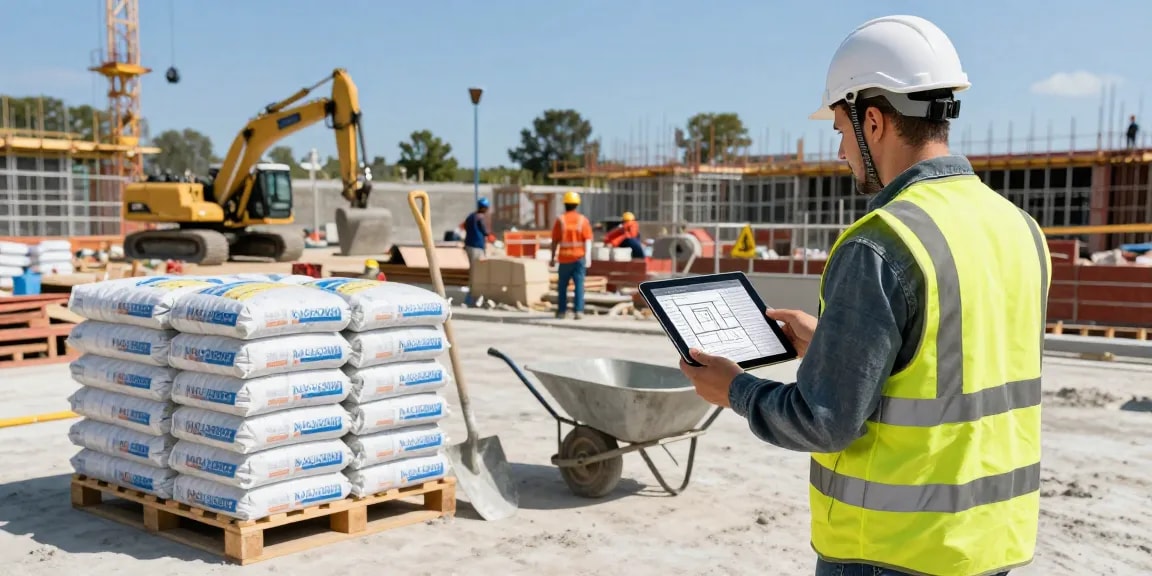
Understanding Construction Safety Programs
Definition and Purpose
Construction safety programs are structured frameworks designed to promote safe practices on construction sites. They aim to minimize risks associated with construction activities, ensuring the well-being of workers and compliance with legal standards. The primary purpose is to provide guidelines that help identify, assess, and control hazards before they result in injury or illness.
Importance in the Workplace
Implementing effective construction safety programs significantly contributes to a safer work environment. A strong safety culture enhances employee morale, reduces downtime due to accidents, and lowers insurance costs. Furthermore, proactive safety measures protect a company’s reputation and can lead to increased productivity, making it an essential aspect of any construction business.
Key Components of Effective Programs
Effective construction safety programs consist of several key components:
- Risk Assessment: Identifying potential hazards and evaluating associated risks on-site.
- Safety Training: Providing ongoing education and training sessions for employees.
- Emergency Procedures: Establishing protocols for emergencies, ensuring preparedness among workers.
- Regular Inspections: Conducting frequent safety audits and on-site inspections to ensure compliance.
- Documentation: Keeping accurate records of training sessions, incidents, and compliance checks.
Legal Requirements for Construction Safety
Federal and State Regulations
Construction safety is heavily regulated at both federal and state levels. The Occupational Safety and Health Administration (OSHA) outlines essential safety standards that must be adhered to in the construction industry. Additionally, individual states may enforce additional regulations that relate to specific risks unique to regional construction practices.
Compliance and Accountability
Compliance with safety regulations is vital for both legal and operational reasons. Employers are responsible for ensuring that workplace safety standards are met, and failure to comply can lead to severe penalties. Establishing a culture of accountability among workers can further enhance adherence to safety protocols. This includes regular safety meetings and designated safety leaders for each project.
Consequences of Non-Compliance
The ramifications of neglecting safety regulations can be severe. Beyond immediate injury risks, companies may face financial penalties, legal issues, and increased insurance rates. Moreover, a poor safety record can damage a company’s reputation, leading to lost contracts and diminished trust within the industry.
Designing Effective Construction Safety Programs
Steps to Create a Tailored Program
To create a tailored construction safety program, companies should follow these crucial steps:
- Assess Needs: Evaluate the specific hazards associated with the company's projects.
- Engage Stakeholders: Involve employees, management, and safety experts in the planning process.
- Develop Policies: Formulate clear safety policies that are easy to understand and implement.
- Implement Measures: Roll out the safety program through training and communication strategies.
- Review and Update: Regularly revisit the program to integrate improvements based on feedback and new regulations.
Identifying Hazards and Risks
Identifying hazards is a foundational element of any safety program. This involves conducting thorough site assessments, using tools such as risk matrices or checklists to prioritize risks based on their severity and likelihood. Involving workers in this process can also provide valuable insights, as they are often the ones most familiar with the potential dangers of their tasks.
Incorporating Training and Education
Training is crucial in equipping workers with the knowledge and skills needed to uphold safety on construction sites. Companies should provide comprehensive safety training that includes:
- Orientation for new employees
- Job-specific safety training
- Regular refresher courses
- Emergency response drills
Utilizing diverse training methods—like hands-on demonstrations, online modules, and video presentations—can cater to different learning styles among workers.
Implementation Strategies for Safety Programs
Communication and Employee Engagement
Effective communication is essential for fostering a safe work environment. Companies should create open channels for employees to voice safety concerns, suggestions, or feedback. Regular safety briefings can enhance engagement, ensuring that safety remains a priority throughout the organization. Additionally, incentivizing workers who adhere to safety standards can boost involvement and accountability.
Using Technology in Safety Measures
Modern technology plays a vital role in enhancing construction safety. From wearable devices that monitor worker conditions to drones conducting site inspections, technology can help mitigate risks. Implementing project management software that tracks safety compliance and incidents can also streamline safety protocols and responsiveness.
Monitoring and Adjusting Safety Protocols
Monitoring the effectiveness of safety measures is essential for continuous improvement. Companies should collect data on incidents, near-misses, and overall compliance rates. Using this information, organizations can adjust safety protocols to address areas of concern and improve overall workplace safety.
Evaluating the Effectiveness of Safety Programs
Measuring Performance and Compliance
To evaluate the effectiveness of safety programs, companies should establish key performance indicators (KPIs) that reflect safety goals. Metrics such as incident rates, lost time injury frequency rates, and compliance audit results can provide valuable insights into program performance. Regularly reviewing these metrics allows organizations to assess the impact of their safety efforts.
Feedback Mechanisms and Continuous Improvement
Incorporating feedback mechanisms, such as surveys and suggestion boxes, enables employees to contribute to safety discussions. This feedback can highlight potential areas for improvement and help create a more responsive safety culture. Continuous improvement should be a key focus, ensuring that safety programs evolve alongside the workforce and industry practices.
Case Studies and Best Practices
Learning from case studies that highlight successful safety programs can provide valuable insights into best practices. Examples of companies that have excelled in safety may include details on how they reduced incident rates through specific strategies or innovative training methods. Sharing these lessons can help improve safety standards across the industry.
FAQs About Construction Safety Programs
1. What are the key elements of a construction safety program?
The key elements include risk assessment, safety training, emergency procedures, regular inspections, and documentation.
2. Why is employee training important in construction safety?
Employee training helps workers understand hazards, learn safe practices, and be confident in emergency responses, reducing injury risk.
3. How can technology improve construction site safety?
Technology, such as wearables and project management software, enhances safety by monitoring conditions and tracking compliance in real-time.
4. What are the consequences of not complying with safety regulations?
Consequences include legal penalties, increased insurance costs, and damage to a company's reputation, affecting future business opportunities.
5. How often should a construction safety program be reviewed?
A construction safety program should be reviewed regularly, ideally annually, or whenever significant changes occur in project scope or regulations.