Understanding Crawl Space Restoration
What is Crawl Space Restoration?
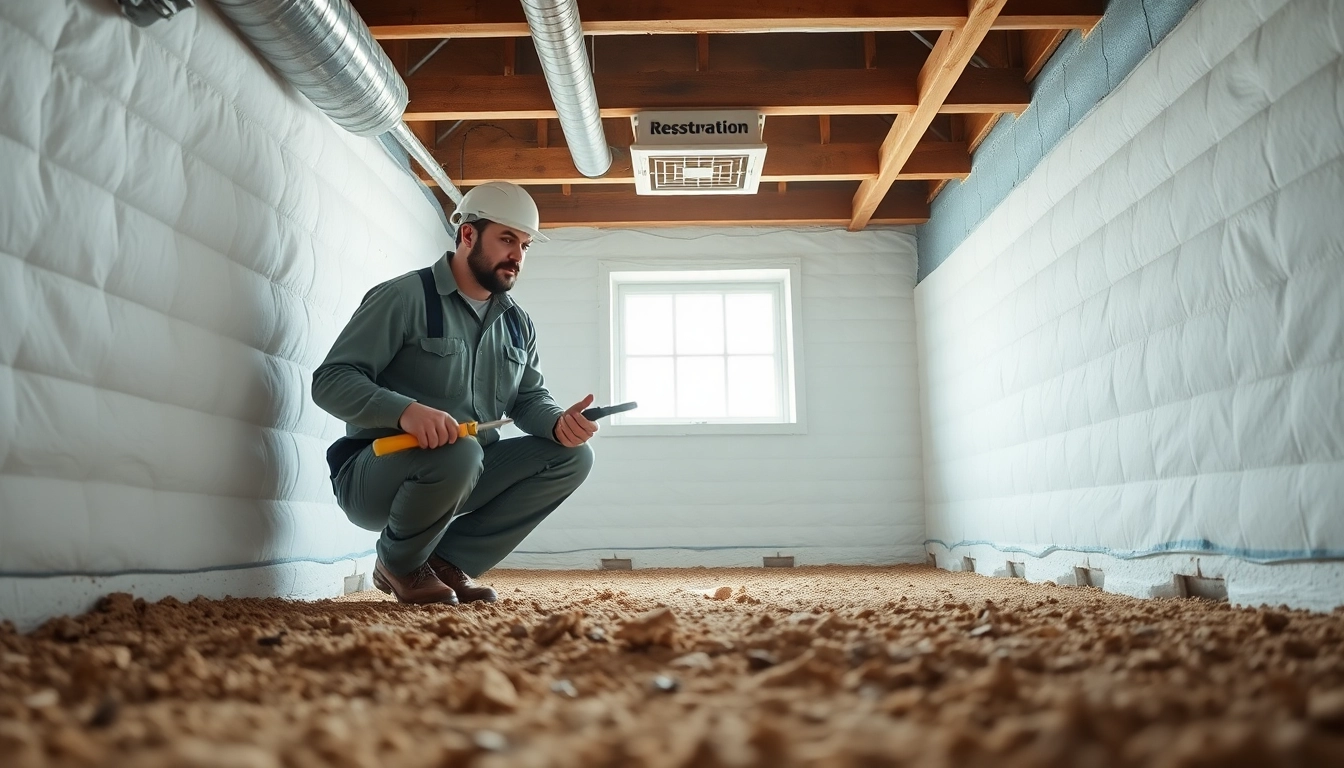
Crawl Space Restoration is the process of repairing and revitalizing the underfloor space of a building, often neglected and susceptible to a variety of structural and environmental issues. This service typically involves several steps: cleaning debris, sealing moisture ingress, improving ventilation, and reinforcing the structural integrity of the space. The goal is not only to restore functionality but also to enhance overall home health.
Importance of Crawl Space Restoration
Restoring the crawl space is crucial for several reasons. First, it acts as a barrier to moisture penetration and prevents mold growth, which can pose serious health risks to inhabitants. Second, it protects the structural components of your home by preventing wood rot and pest infestations. Lastly, a well-maintained crawl space supports energy efficiency, thereby reducing energy costs. Homeowners should prioritize Crawl Space Restoration as a means to safeguard their investment.
Common Signs of Crawl Space Issues
Homeowners should remain vigilant for signs indicating potential crawl space problems. Common indicators include:
- Odors: Musty smells emanating from the crawl space often suggest mold or mildew growth.
- Pests: Inhabitants of your crawl space, such as rodents or insects, signal deterioration or moisture issues.
- Visual Damage: Look for sagging beams, discolored insulation, or crumbling concrete.
- Moisture: Damp spots or visible water can lead to significant structural issues if not addressed.
- Floors Above: Bouncing, sagging, or warped floors above the crawl space may indicate problems below.
Key Benefits of Crawl Space Restoration
Enhancing Home Air Quality
Restoring a crawl space significantly enhances indoor air quality, as molds, allergens, and other contaminants are often trapped in these areas. Proper ventilation and sealing can drastically reduce airborne toxins, making your home healthier for inhabitance.
Preventing Structural Damage
One of the primary advantages of crawl space restoration is the prevention of structural damage. Left unchecked, moisture can lead to wood rot, compromising the integrity of beams and joists. Effective restoration practices can prolong the lifespan of your home's structure.
Increasing Energy Efficiency
By addressing gaps and ensuring proper insulation in the crawl space, homeowners can enhance energy efficiency. Insulating the crawl space reduces the amount of energy needed to heat or cool the home, leading to lower utility bills and a reduced carbon footprint.
Crawl Space Restoration Techniques
Inspection and Assessment Strategies
The first step in crawl space restoration is a thorough inspection to identify existing problems. Here are some effective assessment strategies:
- Visual Inspection: Check for visible signs of damage, mold, or moisture.
- Moisture Testing: Use moisture meters to understand the humidity levels within the space.
- Structural Assessment: Evaluate the integrity of support beams and joists, looking for signs of decay or damage.
Effective Moisture Control Solutions
Moisture control is pivotal in crawl space restoration. Effective strategies include:
- Sealing: Install vapor barriers to prevent moisture from seeping in.
- Drainage Systems: Ensure proper drainage methods to prevent water accumulation.
- Dehumidifiers: Consider installing dehumidifiers to maintain optimal humidity levels and prevent mold growth.
Insulation Upgrades for Better Performance
After addressing moisture issues, upgrading insulation is crucial. Effective methods include:
- Foam Board Insulation: Provides superior thermal resistance and moisture control.
- Spray Foam Insulation: An air-tight solution that bridges gaps and prevents air leaks.
- Reflective Barriers: These can be particularly effective in warmer climates by reflecting heat away from the home.
DIY vs. Professional Crawl Space Restoration
When to Consider DIY Restoration
Homeowners may consider DIY restoration for minor issues, such as cleaning up debris or installing basic vapor barriers. However, ensure you have the necessary tools and knowledge to avoid exacerbating the problem.
Benefits of Hiring Professionals
While DIY can save money, hiring professionals has its advantages. Professionals bring expertise, specialized tools, and a more thorough understanding of structural and moisture problems. This can prevent costly missteps and safeguard post-restoration quality.
Cost Breakdown for Restoration Services
The cost of crawl space restoration depends on several factors, including the extent of damage and the size of the area. Typical ranges are:
- Minor Repairs: $1,500 - $3,000
- Moderate Restoration: $3,000 - $7,000
- Major Restoration: $7,000 - $15,000 or more for extensive damage.
Maintenance After Crawl Space Restoration
Regular Inspection Protocols
Post-restoration, regular inspections are vital to maintaining a healthy crawl space. Schedule biannual checks or after significant weather events to monitor for new signs of moisture or damage.
Best Practices for Upkeep
Best practices for maintaining crawl spaces include:
- Keeping Vents Clear: Ensure ventilation pathways are unobstructed to improve airflow.
- Monitor Humidity: Keep humidity levels below 60% to discourage mold growth.
- Address Spills Promptly: Clean and dry any water spills immediately to prevent moisture build-up.
Long-term Monitoring Solutions
Consider investing in long-term monitoring systems that track humidity and air quality. These advanced tools can alert you to potential issues before they escalate, allowing for timely intervention.
FAQs
What is involved in crawl space restoration?
Crawl space restoration involves cleaning, sealing, and upgrading insulation, addressing moisture issues, and ensuring better air quality.
How do I know if my crawl space needs restoration?
Signs include musty odors, visible mold, pest infestations, dampness, or sagging floors above the crawl space.
Can I do crawl space restoration myself?
Yes, minor issues can be handled by homeowners, but significant problems typically require professional expertise for safety and effectiveness.
How much does crawl space restoration typically cost?
The cost varies based on the extent of work needed but generally ranges from $1,500 to $15,000 or more for comprehensive services.
What maintenance is needed after restoration?
Regular inspections, monitoring humidity levels, and addressing any potential leaks are key for maintaining the integrity of the crawl space.