Understanding the Importance of Historic Home Addition
When it comes to preserving the charm and essence of older buildings, Historic Home Addition projects play a crucial role. These undertakings not only breathe new life into heritage structures but also address contemporary living needs. Transforming historic homes into versatile living spaces requires a delicate balance between honoring their historical significance and infusing modern enhancements.
Defining Historic Home Addition
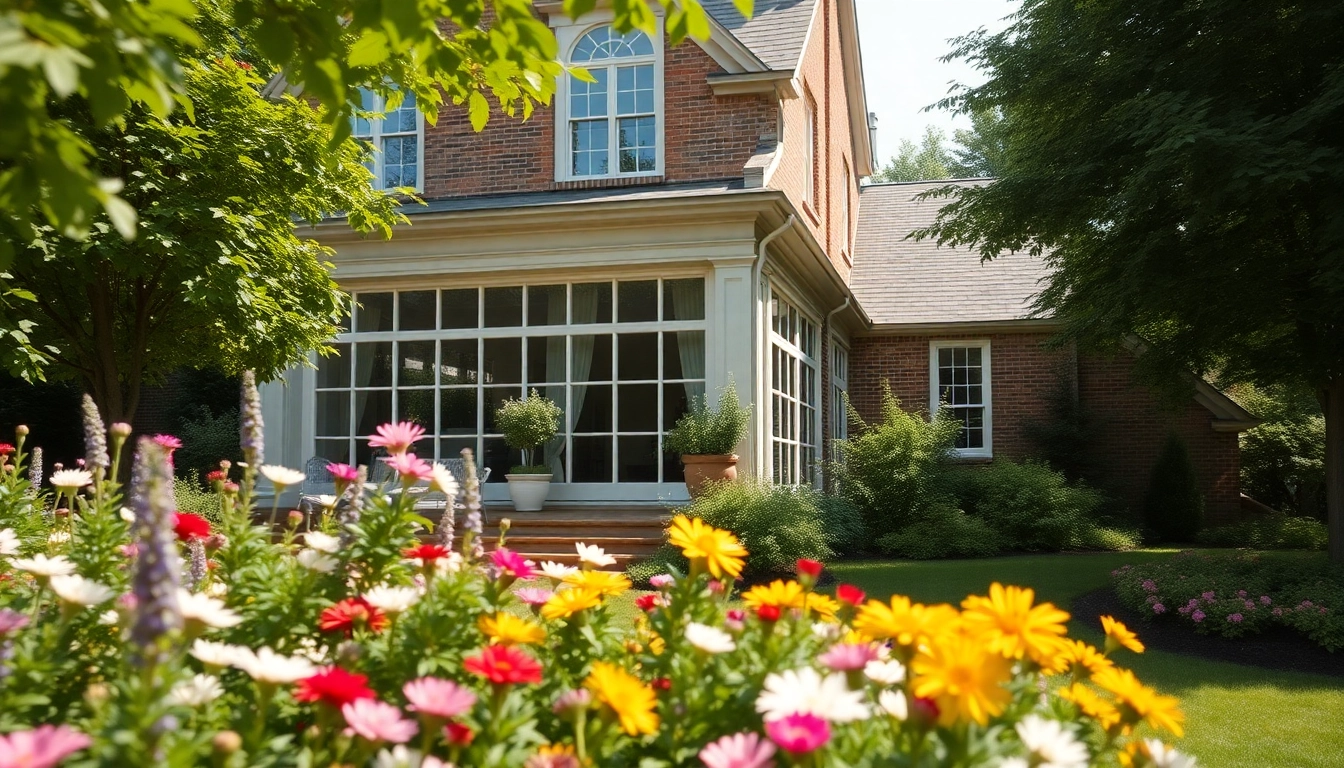
A historic home addition refers to the process of expanding or augmenting a previously established dwelling, considered historically significant, while respecting its architectural integrity. Such expansions aim to improve functionality or aesthetics without compromising the historical value of the original structure. This could include the addition of new rooms, sections, or features that integrate seamlessly with the existing style.
Benefits of a Historic Home Addition
- Functional Upgrades: Additional space can accommodate contemporary needs like home offices, entertainment areas, or family rooms, enhancing the overall utility of the property.
- Preserving Cultural Heritage: These additions often involve renovating and restoring older materials and details, which play a crucial part in maintaining a community’s architectural history.
- Increased Property Value: A well-executed addition can significantly enhance the market value of a historic home while preserving its allure for generations.
- Meeting Modern Standards: Home additions can bring older homes up to current building codes and standards, improving safety and energy efficiency.
Challenges in Designing Historic Home Addition
Designing a historic home addition comes with unique challenges that require careful consideration:
- Zoning and Regulations: Many historic homes are protected by zoning laws or preservation regulations, complicating the addition process.
- Architectural Compatibility: Ensuring that the new addition matches the period style and construction methods of the original home can be intricate.
- Construction Limitations: Existing structures may have foundational issues or other limitations that could constrain expansion efforts.
- Financing and Budgeting: Budgeting for historic renovations can be complex, as unforeseen expenses often arise during construction.
Key Design Principles for Historic Home Addition
Respecting Architectural Styles
A fundamental principle in any Historic Home Addition is to honor the architectural style of the original home. This involves careful research into the home’s history and design elements, ensuring that the addition complements rather than clashes with the existing structure. Utilizing similar building materials, rooflines, and window styles can create cohesion between the old and the new.
Choosing Appropriate Materials
Selecting suitable materials is vital to achieving a harmonious look. Original homes often feature specific textures and colors that define their style. When selecting materials for the addition, homeowners should aim for compatibility, which might include locally sourced bricks, traditional woods, or period-appropriate roofing materials.
Balancing Modern Functionality and Historical Integrity
Modern living often necessitates certain features—like open floor plans or energy-efficient systems—that may not align with the historic nature of the home. Striking a balance between these needs and the home’s historical integrity requires innovative design solutions. Thoughtful placement of modern amenities can help preserve the historical narrative of the home.
Planning Your Historic Home Addition Project
Budgeting for Your Historic Home Addition
Financial planning is critical in historic home additions. Homeowners should account for costs associated with labor, materials, and potential unforeseen expenses related to restoration. It is prudent to set aside a contingency fund of at least 10-20% of the overall budget. Engaging with contractors experienced in historic renovations can provide accurate estimates and help mitigate budgeting challenges.
Consulting with Professionals
Engaging professionals such as architects specialized in historic preservation, contractors familiar with traditional building methods, and preservation consultants is key. They can offer invaluable insights and guidance, helping homeowners navigate the complexities of design, zoning laws, and materials selection.
Obtaining Relevant Permits
Homeowners must acquire the necessary permits and approvals before beginning a historic home addition. This often includes working closely with local planning commissions or historical societies to ensure compliance with preservation statutes. Understanding the permitting process upfront can prevent costly delays later in the project.
Incorporating Sustainable Practices in Historic Home Addition
Energy Efficiency Considerations
Improving energy efficiency in a historic home addition is essential. This can include installing energy-efficient windows that mimic the original style or integrating modern insulation solutions that do not interfere with the home’s aesthetics. Additionally, considering passive solar designs can significantly reduce energy costs while maintaining historical integrity.
Using Reclaimed Materials
Using reclaimed materials sourced from other historic buildings can be a sustainable choice that adds character to a new addition. This practice supports sustainability by reducing waste and aligning with the home’s historical narrative. Homeowners should inspect and select materials that are sturdy and compatible with their addition plans.
Designing for Future Sustainability
Designing with an eye on future sustainability entails incorporating flexible spaces that can adapt to evolving family needs. Plans can include eco-friendly features like green roofs, solar panels, or rainwater harvesting systems, which can enhance the home’s efficiency without disrupting its historical essence.
Case Studies and Examples of Successful Historic Home Addition
Inspiring Transformations
Various case studies reveal the successful integration of modern functionality into historic homes. One notable project involved adding a contemporary kitchen to a Victorian home while maintaining its integrity by matching the original trim and colors. Such transformations exemplify how sensitive additions can enhance both livability and aesthetics.
Lessons Learned from Real Projects
Many challenges surfaced in past historic home addition projects, from zoning compliance to material compatibility. Key takeaways include the importance of thorough research, engaging knowledgeable professionals early in the design, and understanding the specific attributes of the home’s original architecture to inform design choices.
Community Engagement in Design
Involving the community in the design process can yield valuable insights and foster greater appreciation for historic homes. Local input can help identify what elements are most significant to the community, guiding the addition project while ensuring public support and engagement with the home’s storied history.
FAQs About Historic Home Addition
What are the common challenges of a historic home addition?
Common challenges include securing necessary permits, ensuring architectural compatibility with the original home, and managing budget constraints related to restoration needs.
How can I ensure my addition respects the historical character of my home?
Researching your home's architectural style, using compatible materials, and consulting preservation architects can help maintain historical integrity during the addition process.
What permits do I need for a historic home addition?
Permits required vary by location but often include building permits, zoning approvals, and potentially permits from historical preservation societies.
Can I use modern construction techniques in a historic home addition?
Yes, blending modern construction techniques with historical styles can be achieved by using innovative design while ensuring that the new elements respect the original architecture.
What are the benefits of using reclaimed materials?
Using reclaimed materials reduces waste, supports sustainability, and often adds unique character to the addition, enhancing its connection to the historic home.