


Botanical Alkanet Red Dye – Traditional Plant Pigment
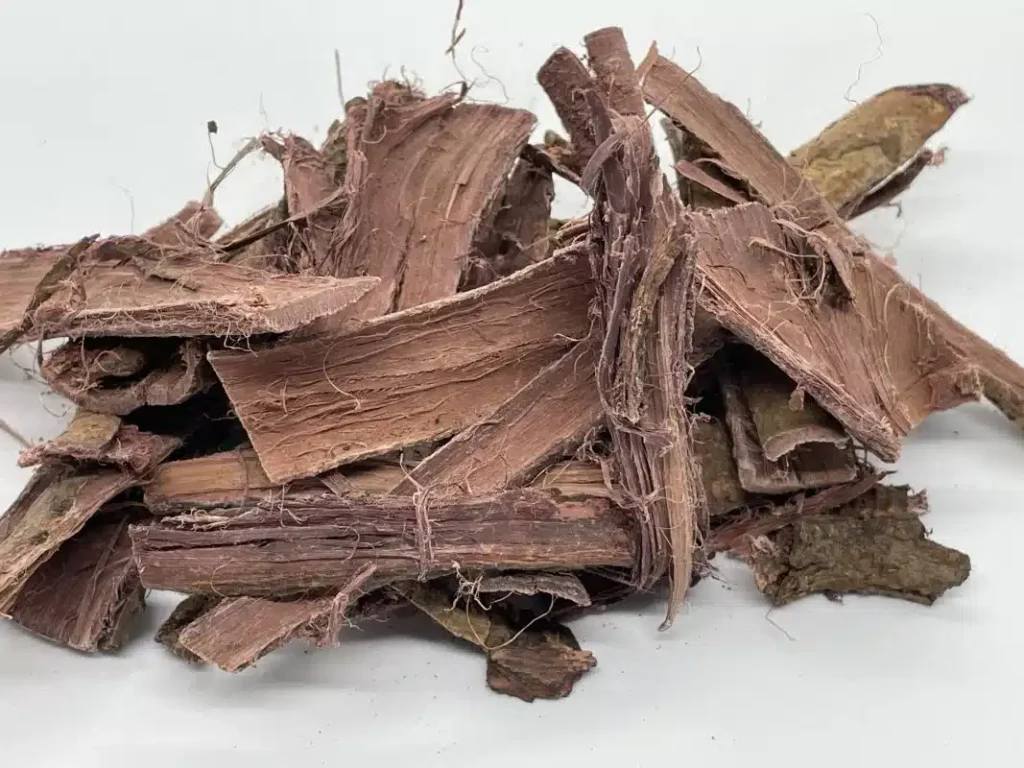
Botanical dyes have shaped human creativity for thousands of years, adding depth, emotion, and cultural meaning to textiles, crafts, and artworks. Among these treasured natural colorants, Alkanet red dye remains a beloved traditional pigment known for its earthy purples, soft burgundies, and rich wine-red tones. Made from the roots of the Alkanna tinctoria plant, Alkanet red dye continues to be a favorite among artisans who value authenticity, natural materials, and eco-friendly coloring methods. This article explores the history, preparation, techniques, and creative uses of Alkanet red dye, giving both beginners and experienced dyers a deeper appreciation of this remarkable botanical pigment.
History and Origins of Alkanet Red Dye
A Dye Rooted in Ancient Traditions
The use of Alkanet red dye dates back centuries across Europe, the Middle East, and parts of Asia. Historically, it was applied to textiles, wood, cosmetics, and even food in some cultures. Its ability to create warm, earthy tones made Alkanet red dye a valuable pigment long before synthetic colors existed.
Cultural Significance
In many regions, artisans relied on Alkanet red dye to produce symbolic colors for garments, ceremonial items, and traditional crafts. The plant’s deep connection to heritage dyeing practices keeps it relevant for modern makers who wish to preserve natural art forms.
Understanding the Pigment Behind Alkanet Red Dye
Where the Color Comes From
The roots of Alkanna tinctoria contain a natural pigment called naphthoquinone. This compound gives Alkanet red dye its distinct ability to shift colors depending on extraction method and pH environment.
Unique Color Variability
One reason artisans love Alkanet red dye is its subtle variability. It can produce lavender shades, soft violets, warm reds, and deep purples—all depending on preparation. This makes Alkanet red dye one of the most versatile botanical pigments available today.
Preparing Alkanet Red Dye for Traditional Use
Heat-Based Extraction
Simmering the roots in water releases a gentle, muted pigment. This method produces soft tones ideal for vintage-style textiles and delicate craft work. Many traditional dyers rely on this approach to harness the true essence of Alkanet red dye.
Alcohol Extraction for Stronger Color
Soaking the roots in alcohol draws out a more intense pigment. This creates richly saturated Alkanet red dye suitable for wood staining, leather coloring, and deep-toned textiles.
Adjusting pH for Custom Shades
The beauty of Alkanet red dye lies in its responsiveness to acidity and alkalinity:
- Acidic environments lead to warm red and burgundy hues.
- Alkaline environments shift the color toward violet and deep purple.
This flexibility allows artists to tailor Alkanet red dye to their creative vision.
Using Alkanet Red Dye in Traditional Textile Dyeing
Wool, Silk, and Other Protein Fibers
Protein-based fibers absorb Alkanet red dye exceptionally well, revealing complex purples and reddish-violet tones. Traditional weavers and knitters often turn to Alkanet red dye when they want depth without harsh brightness.
Cotton, Linen, and Plant Fibers
Plant fibers require more careful preparation, but they can display beautiful muted shades when dyed with Alkanet red dye. Makers use it for natural garments, handwoven cloth, quilting fabrics, and artisan home décor.
Layered Dyeing Techniques
Overdyeing with madder, weld, or logwood enhances the tonal richness of Alkanet red dye. These combinations mimic historic dyeing traditions that relied on botanical layering for dramatic color effects.
Traditional Craft Applications of Alkanet Red Dye
Wood and Leather Coloring
For woodworkers and leather artisans, alcohol-extracted Alkanet red dye produces a natural stain that highlights grain and texture. This method has been used for centuries to finish boxes, furniture, tools, and handmade accessories.
Handmade Paper and Book Arts
Paper artists appreciate how Alkanet red dye creates soft washes, marbled effects, and botanical tones. Bookbinders use it to tint bookcloth, stitching thread, or decorative endpapers.
Soap and Cosmetic Coloring
Historically, Alkanet red dye was used to color balms, salves, and soaps. Even today, soap makers enjoy the gentle purples and reds it produces in natural formulations.
Tips for Working with Alkanet Red Dye
Test First, Then Scale Up
Because natural dyes can vary, dyers should always test Alkanet red dye on small samples to find the exact tone they want.
Use Clean, Prepared Materials
Properly scoured fabrics and fibers absorb Alkanet red dye more effectively, ensuring even, long-lasting results.
Keep a Dye Journal
Recording pH levels, extraction methods, mordants, and soak times helps artisans create consistent colors when working with Alkanet red dye.
Why Alkanet Red Dye Remains a Treasured Botanical Pigment
Eco-Friendly and Sustainable
As modern makers shift toward environmentally aware crafting, Alkanet red dye offers a safe, biodegradable, plant-based alternative to synthetic dyes.
Aesthetic Complexity
Few natural pigments offer the same tonal range as Alkanet red dye. Its ability to shift from red to purple makes it a favorite among artisans who want organic variation.
Deep Connection to Craft Traditions
Using Alkanet red dye isn’t just about color—it’s about preserving cultural knowledge rooted in centuries of craftwork.
Conclusion
Botanical Alkanet red dye is more than a natural pigment—it is a bridge between traditional craftsmanship and modern creativity. Its rich historical legacy, versatile color range, and compatibility with textiles, wood, leather, and handmade materials make it indispensable for artisans who value natural beauty. By experimenting with preparation methods, pH adjustments, and traditional techniques, makers can unlock the full expressive potential of Alkanet red dye and continue a heritage of botanical dyeing that has inspired generations.