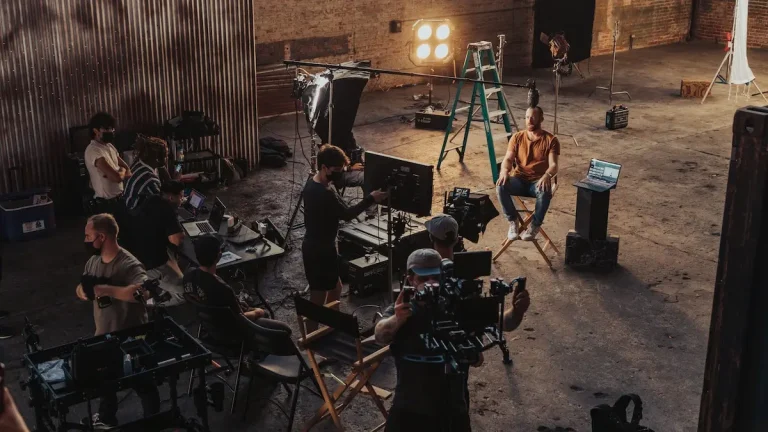



Key Skills Every Videographer Should Master for Success
Understanding the Role of a Videographer
What is a Videographer?
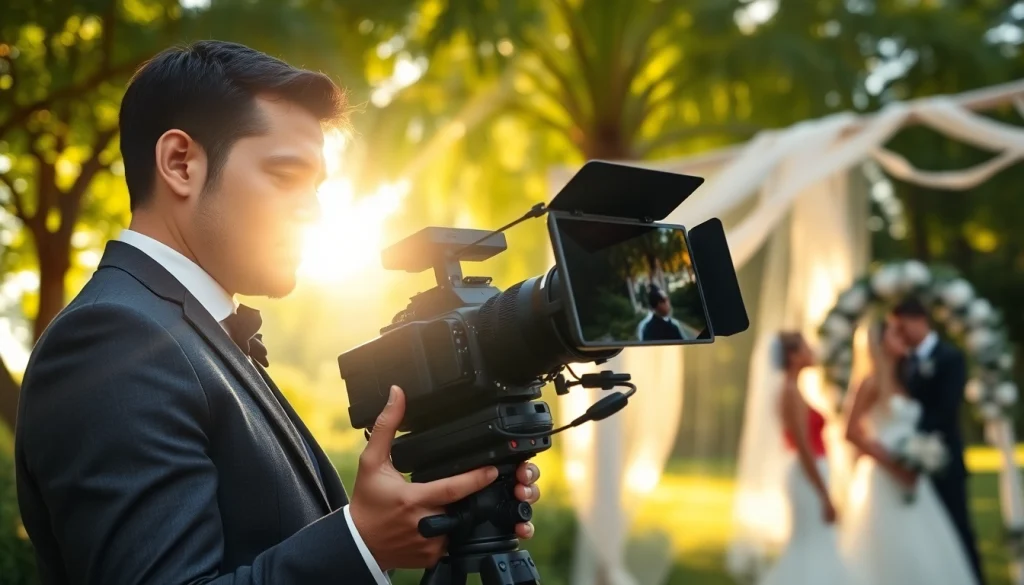
A Videographer is a creative professional specializing in capturing and producing video content. With the rise of digital media, the definition of a videographer has expanded significantly to include a wide range of responsibilities within the video production landscape. From event coverage and corporate films to independent artistic endeavors, videographers play a crucial role in visual storytelling. Unlike a traditional filmmaker, a videographer often works on smaller shoots, focusing on capturing genuine moments, presenting information, or promoting brands and stories through visual mediums.
Typical Responsibilities and Daily Tasks
The day-to-day tasks of a videographer can vary greatly based on the specific context of their work and the projects they undertake. Common responsibilities include:
- Planning and scripting video projects.
- Setting up and operating cameras, lighting, and sound equipment.
- Capturing high-quality video footage based on predetermined objectives.
- Editing and post-production processes including color grading, sound mixing, and adding effects.
- Collaborating with clients, directors, and other stakeholders to achieve project goals.
In the case of freelance videographers, business management tasks such as marketing, client communication, and budget management also become key components of their daily responsibilities.
Essential Skills Required for a Videographer
To succeed as a videographer, several core skills are essential:
- Technical Proficiency: A deep understanding of video equipment, software tools, and editing techniques is fundamental.
- Creativity: The ability to conceive unique ideas and translate them into engaging visual narratives.
- Attention to Detail: Precision in capturing shots and meticulousness in the editing process are crucial for high-quality outputs.
- Problem-Solving Ability: Videographers often encounter unexpected challenges during shoots and need to adapt quickly.
- Communication Skills: Clear communication with clients and collaborators is necessary to understand and execute their vision.
Equipment Needed for a Professional Videographer
Video Cameras and Accessories
The foundation of any videographer’s toolkit is their camera equipment. Investing in a high-quality video camera, such as a DSLR or mirrorless camera, is essential. Important accessories that complement the camera include:
- Tripods: For stable shots and long-duration filming.
- Gimbals: To achieve smooth and dynamic movements.
- External Microphones: To capture high-quality audio and enhance the overall production value.
- Lenses: Various lenses can facilitate distinct shot compositions and styles, allowing for creative flexibility.
Sound Equipment for Quality Audio
Good audio is just as important as high-quality video. As such, videographers should invest in adequate sound recording equipment which includes:
- Handheld Microphones: Ideal for interviews and events.
- Lavalier Microphones: Wireless lapel mics that are perfect for capturing audio from subjects without being intrusive.
- Audio Recorders: Separate devices for higher-quality sound isolation away from the camera.
Editing Software and Tools
Post-production is where a videographer’s work truly comes together. Utilizing professional editing software is critical for producing polished video products. Popular choices include:
- Adobe Premiere Pro: A versatile video editing software used widely across the industry.
- Final Cut Pro: A favorite among Mac users for its intuitive interface and powerful features.
- DaVinci Resolve: Renowned for its sophisticated color grading capabilities and comprehensive editing tools.
Filming Techniques Every Videographer Should Know
Different Types of Shots and Their Uses
A fundamental aspect of effective videography is understanding the various types of camera shots and when to use them. Some common shot types include:
- Wide Shots: To establish the setting and provide context for the story.
- Close-Ups: To capture details and emotions, drawing the viewer’s attention to key elements.
- Medium Shots: Ideal for dialogues and interactions between characters.
- Cutaway Shots: To create narrative transitions or emphasize specific details without losing context.
Lighting Techniques for Stunning Footage
Lighting is a crucial element in videography that can dramatically affect the mood and visual quality of a production. Basic lighting techniques include:
- Three-Point Lighting: Utilizing key, fill, and backlighting to create depth and dimension in the scene.
- Natural Lighting: Harnessing available sunlight can yield beautiful, organic footage but requires planning for timing and location.
- Color Temperature Control: Adjusting light sources to achieve the desired warmth or coolness in the video.
Using Composition to Tell a Story
Composition refers to the arrangement of visual elements within a frame, and it’s pivotal for storytelling. Techniques to enhance composition include:
- Rule of Thirds: Dividing the frame into thirds and positioning key elements along these lines for a balanced look.
- Leading Lines: Using natural lines in the environment to direct viewers’ attention to the subject.
- Framing: Utilizing surrounding elements to frame the subject, enhancing focus and depth.
Building a Portfolio as a Videographer
Choosing the Right Projects to Showcase
Building a compelling portfolio is crucial for attracting clients and establishing credibility. Choose projects that highlight your strengths and versatility. Consider:
- Working on diverse assignments that span different genres, such as corporate, weddings, and promotional content.
- Documenting projects that involved creative innovations or unique storytelling approaches.
- Collaborating with other professionals to expand your skills and network.
How to Create a Compelling Showreel
A showreel is a concise video compilation that showcases a videographer’s best work. Tips for an impactful showreel include:
- Keep It Short: Aim for one to two minutes of the most striking footage.
- Highlight Variety: Feature a mix of styles and subject matter to display versatility.
- Engage from the Start: Begin with your best footage to capture the viewer’s attention immediately.
Marketing Yourself as a Freelance Videographer
As a freelance videographer, marketing is essential for finding new clients. Effective strategies include:
- Networking: Attend industry events, workshops, and online communities to connect with peers and potential clients.
- Social Media Presence: Utilize platforms like Instagram and YouTube to share your work and engage with viewers.
- Client Testimonials: Showcase positive feedback from past clients to build trust with new prospects.
Trends in Videography: Staying Ahead of the Curve
Latest Technologies in Videography
Technological advancements have transformed the videography landscape, and staying updated is essential. Key trends include:
- 4K and 8K Resolution: High-resolution video captures more detail, enhancing the viewer’s experience.
- Drone Videography: Aerial shots provide unique angles and perspectives that were previously unavailable or costly.
- 360-Degree Video: Immersive experiences that engage viewers by allowing them to navigate the scene.
Emerging Styles and Techniques
Innovative styles in videography are constantly evolving. Some noteworthy trends include:
- Documentary Style: Capturing real-life scenarios for authenticity and emotional engagement.
- Cinematic Techniques: Implementing storytelling tools traditionally used in film for more dramatic and impactful videos.
- Story-driven Content: Placing emphasis on narrative to connect with the audience beyond simply relaying information.
Networking within the Videography Community
Building relationships within the videography community can greatly enhance learning and opportunities. Steps to network effectively include:
- Join Online Forums: Engaging in discussions and showing support for fellow videographers can increase visibility.
- Collaborative Projects: Working with other creatives can provide valuable insights and expand your skill set.
- Attend Workshops: Participating in industry events not only builds knowledge but can also lead to job opportunities.