Understanding the Role of a Steel Fabrication Shop
When embarking on a construction or manufacturing project, one of the key components that often goes overlooked is the role of a steel fabrication shop. Steel fabrication is not merely about cutting and welding steel; it represents a critical phase where raw materials are transformed into essential components necessary for a wide range of industries. Understanding this aspect can help project managers and business owners make informed decisions regarding their metalwork needs.
What is Steel Fabrication?
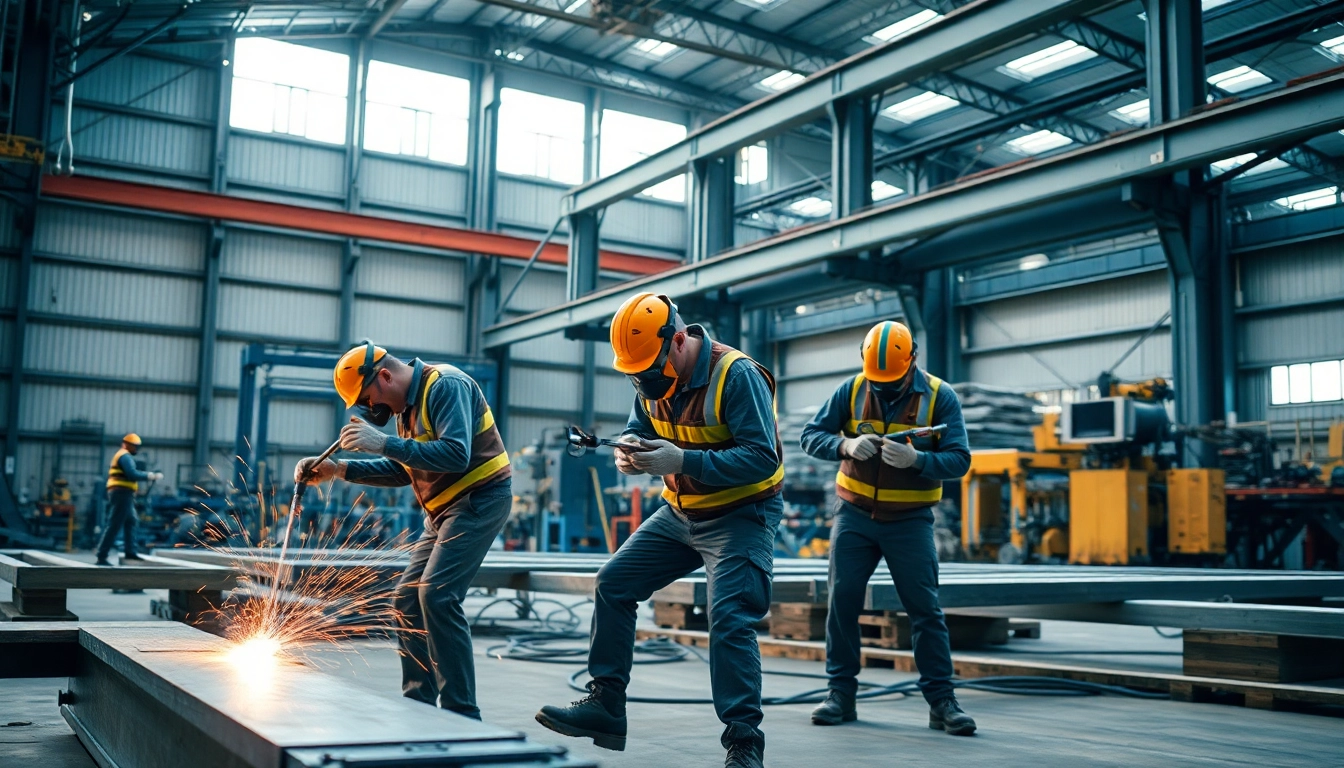
Steel fabrication refers to the process of making steel structures by cutting, bending, and assembling. It involves converting raw steel into finished products that can be used in construction or manufacturing. The fabrication process can include tasks such as:
- CNC cutting: Using computer-controlled machines to cut steel sheets into the desired shape.
- Welding: Joining metal parts together through various welding techniques.
- Bending: Shaping steel to create components like beams, frames, and enclosures.
- Finishing: Applying treatments or coatings to protect the metal and improve aesthetics.
Common Services Offered by Steel Fabrication Shops
A comprehensive steel fabrication shop offers a variety of services tailored to meet the diverse needs of different sectors. Some of these services include:
- Structural Fabrication: Creating the structural frameworks for buildings and other infrastructure.
- Custom Metal Fabrication: Designing and producing unique parts and structures as per specific requirements.
- Sheet Metal Fabrication: Processing thin sheets of steel into parts such as ductwork or enclosures.
- Repair and Maintenance Services: Offering repair services to replace or mend components in existing structures.
The Importance of Choosing Quality Materials
The foundation of successful steel fabrication lies within the quality of the materials used. Substandard raw materials can lead to structural failures, increased costs, and safety hazards. Key factors influencing material choice include:
- Steel Grade: Different grades offer varying properties such as strength, ductility, and resistance to corrosion.
- Coatings: Protective coatings can enhance durability and resistance to environmental factors.
- Supplier Reputation: Sourcing from reputable suppliers ensures material reliability and adherence to industry standards.
Key Processes in Steel Fabrication
Understanding the specific processes involved in steel fabrication can assist stakeholders in making educated choices regarding their projects. Each step plays a vital role in determining the final product’s quality and performance.
Cutting Techniques for Steel Products
Cutting is the initial stage in manufacturing steel components and can be achieved through various methods:
- Laser Cutting: Utilizes focused laser beams for precise, detailed cuts on a range of materials.
- Plasma Cutting: Employs ionized gas to cut through thick steel, known for its speed and flexibility, ideal for intricate designs.
- Waterjet Cutting: A method that uses high-pressure water streams to cut materials without generating heat, preserving the integrity of the steel.
Welding and Joining Methods Explained
Welding is central to the assembly of steel fabrications. Various welding methods can be used based on factors such as material thickness and project requirements:
- MIG Welding: A popular method for its speed and adaptability, primarily used for thin to medium thickness metals.
- TIG Welding: Offers high-quality welds and is often used for thinner materials or intricate designs.
- Submerged Arc Welding: Best suited for large-scale projects requiring deep penetration and high productivity.
Finishing Processes for Durable Steel Structures
The finishing stage is critical to ensure the longevity and functionality of the steel components. Common finishing processes include:
- Painting and Coating: Enhances aesthetics while providing protection against the elements and corrosion.
- Galvanization: Involves coating steel with zinc to prevent rusting, ideal for outdoor and industrial applications.
- Polishing: Used for decorative purposes, providing a smooth finish often required for visible structures.
Advantages of Working with a Steel Fabrication Shop
Engaging a professional steel fabrication shop brings numerous advantages, making the project management process streamlined and efficient. The benefits include:
Customization Options for Unique Projects
Steel fabrication shops offer extensive customization options to meet project specifications. Whether it’s unique designs, specific material grades, or tailored dimensions, these shops have the expertise to bring your vision to life.
Cost Efficiency and Reducing Waste
Smart fabrication processes can lead to significant cost reductions. By optimizing material use and minimizing waste, companies can achieve savings that enhance overall profitability. Advanced technology such as software for precise cutting plans can further contribute to reducing excess material use.
Improved Project Timelines and Deliverability
Another advantage of using a steel fabrication shop is the acceleration of project timelines. Through automation and refined processes, experienced shops can produce components more quickly, thus facilitating faster project completion and improving client satisfaction.
Choosing the Right Steel Fabrication Shop
Selecting the best steel fabrication shop for your project is crucial for success. Here are key factors to consider:
Key Factors to Consider in Your Selection
When evaluating potential fabrication shops, consider their capabilities, certifications, and reputation in the industry. Visit their facilities if possible to assess their equipment and workforce professionalism. Reviews and referrals can be invaluable in making the right choice.
Evaluating Project Portfolios and Client Testimonials
Reviewing a shop’s portfolio can give insight into their prior work, capabilities, and attention to detail. Client testimonials often highlight the reliability and quality of their services, providing an additional layer of assurance in your selection process.
Understanding Pricing Structures and Estimates
Before committing to a fabrication shop, it’s important to understand their pricing structure. Request detailed estimates and compare them with other shops to gauge fairness. Be cautious of prices that are significantly lower than industry standards, as they may indicate a compromise on quality.
Future Trends in the Steel Fabrication Industry
The steel fabrication industry is undergoing radical evolution driven by technological advancements and changing market needs. Understanding these trends is crucial for staying ahead in this competitive sector.
Innovations in Technology and Processes
Emerging technologies such as augmented reality (AR) for design visualization, automated welding processes, and the integration of Artificial Intelligence in production management can significantly enhance efficiency, reduce error rates, and improve the overall quality of fabricated products.
Sustainable Practices in Steel Fabrication
With an increasing focus on sustainability, many steel fabrication shops are adopting greener practices. This includes sourcing recycled materials, reducing energy consumption, and implementing waste management protocols to minimize their environmental footprint.
The Growing Demand for Steel Fabrication Services
The demand for custom steel fabrication is projected to rise as industries like construction, automotive, and aerospace continue to expand. This growth invites more players into the market but also raises the stakes for quality and service delivery, positioning established shops as leaders in a competitive landscape.