
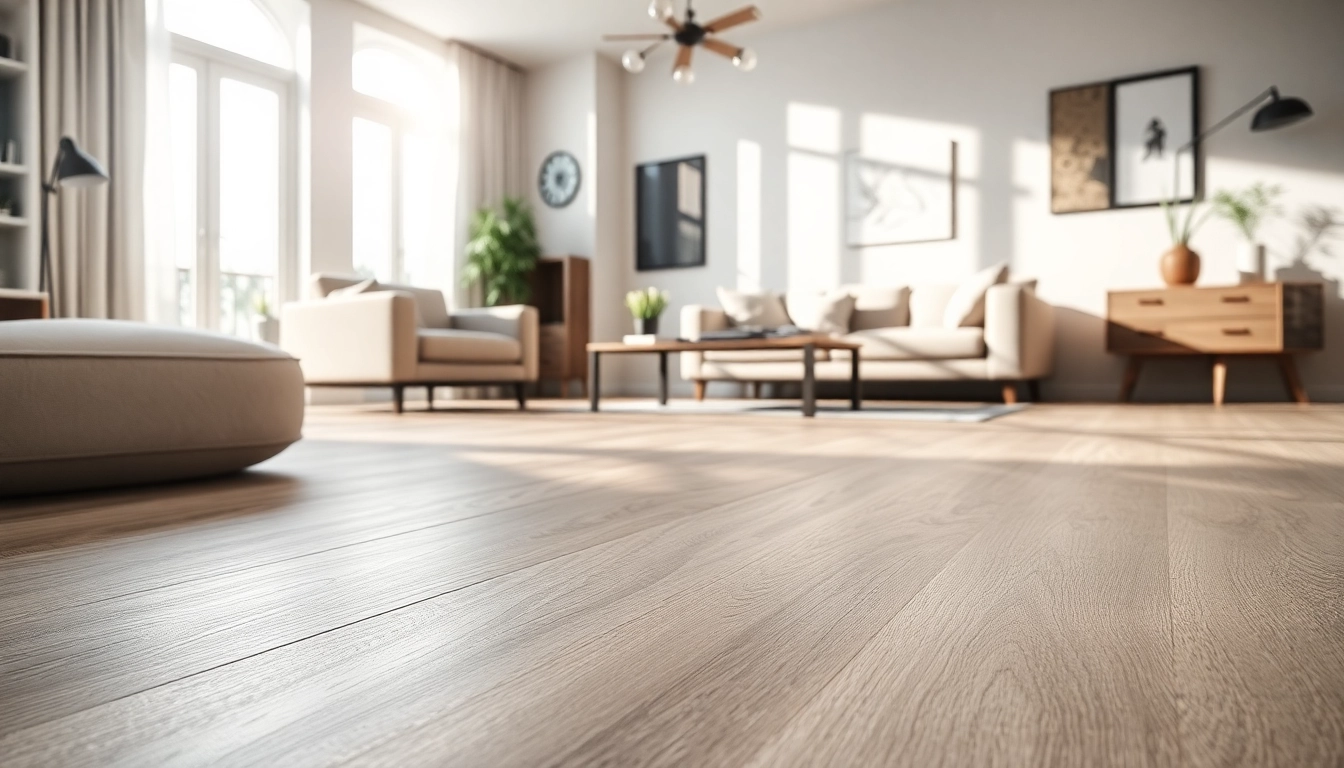
1. Understanding Vinyl Flooring
1.1 What is Vinyl Flooring?
Vinyl flooring is a synthetic flooring material composed of polyvinyl chloride (PVC) and other compounds. It has gained popularity for its versatility, affordability, and ease of maintenance. Spanning various styles and designs, vinyl flooring mimics the appearance of natural materials, such as hardwood or stone, providing an aesthetic appeal without the higher costs associated with those materials. With advancements in manufacturing techniques, modern vinyl flooring offers heightened durability and enhanced visual authenticity.
1.2 Types of Vinyl Flooring
There are several types of vinyl flooring available, each designed to meet different needs and preferences:
- Sheet Vinyl: This is a continuous sheet of vinyl that is rolled out over the entire floor area, making it a great option for spaces like kitchens and bathrooms prone to spills.
- Vinyl Plank Flooring: Designed to resemble hardwood, vinyl planks come in individual pieces that snap together, providing a warm, inviting look with practical durability.
- Vinyl Tile: Resembling ceramic tiles, vinyl tiles are square or rectangular and can recreate the look of tile flooring while being quicker and easier to install and maintain.
1.3 Benefits of Choosing Vinyl Flooring
Choosing vinyl flooring comes with a myriad of advantages:
- Cost-Effective: Vinyl flooring is generally less expensive than other flooring alternatives, offering great value for budget-conscious homeowners.
- Water Resistance: Many vinyl flooring options are waterproof, making them excellent for areas vulnerable to moisture, such as kitchens and bathrooms.
- Ease of Installation: Many vinyl flooring products feature user-friendly installation processes, making it a feasible DIY project for many homeowners.
- Comfort: Vinyl flooring is softer underfoot than hard surfaces, providing comfort for standing and walking.
- Variety: With an extensive range of styles, patterns, and textures available, vinyl flooring can complement any interior design.
2. Vinyl Flooring Installation Process
2.1 Preparation for Installation
Proper preparation is crucial for a successful vinyl flooring installation. Follow these steps:
- Evaluate the Subfloor: Ensure that the subfloor is clean, dry, and free from debris. Any imperfections should be repaired to prevent issues with the vinyl.
- Acclimate the Vinyl: Allow the vinyl flooring to acclimate to the room temperature for at least 48 hours prior to installation. This minimizes expansion or contraction after installation.
- Gather Tools: Assemble necessary tools and materials, including a utility knife, measuring tape, straight edge, and a roller.
2.2 Step-by-Step Installation Guide
Installing vinyl flooring can be simplified by following a methodical approach:
- Measure the Space: Start by measuring the room to determine how much vinyl flooring you will need. Always add extra for waste.
- Cut the Vinyl: If using vinyl sheets, cut them to fit the room dimensions accurately. For vinyl planks or tiles, layout designs before adhesion.
- Adhere or Lay the Flooring: When using adhesive, apply it according to manufacturer instructions. For click-lock vinyl, simply snap each piece into place as per the design.
- Finish Edges: Remove any excess adhesive, and install baseboards or trim to secure the edges for a polished finish.
- Roll the Floor: Once installed, use a roller to ensure a tight bond with the subfloor, thereby enhancing durability.
2.3 Common Mistakes to Avoid
To ensure the longevity and appearance of your new vinyl flooring, avoid these common mistakes:
- Inadequate Prep: Skipping surface preparation can lead to issues like bubbling or premature wear.
- Ignoring Manufacturer Instructions: Always adhere strictly to the installation instructions provided by the manufacturer to avoid voiding warranties.
- Neglecting Expansion Gaps: Failing to leave adequate expansion gaps can lead to buckling or shifting after installation.
3. Vinyl Flooring Maintenance Tips
3.1 Daily Cleaning Techniques
Maintaining vinyl flooring involves regular cleaning to preserve its appearance:
- Sweeping or Vacuuming: Remove dust and dirt daily with a broom or vacuum to prevent scratches.
- Mopping: Use a damp mop with a gentle cleaning solution as needed, avoiding excessive water that could seep into seams or edges.
- Spot Cleaning: Address spills immediately with a clean cloth to prevent staining.
3.2 Periodic Deep Cleaning
Deep cleaning helps maintain the integrity of vinyl flooring:
- Use a Suitable Cleaner: Choose a cleaner designed for vinyl flooring to avoid damage.
- Steam Cleaning: Some vinyl products can withstand steam cleaning, which can help lift embedded dirt.
- Periodic Waxing: If the vinyl is not designed to be low maintenance, applying a wax coating every few months can add shine and protect the surface.
3.3 Protecting Your Vinyl Flooring
Taking precautions can extend the life of your flooring:
- Use Mats: Place mats at entrances to trap dirt and moisture before it can reach the floor.
- Furniture Pads: Attach pads under furniture legs to prevent dents and scratches.
- Limit Direct Sunlight: Use curtains or blinds to protect your vinyl flooring from UV damage that may fade colors.
4. Aesthetic Options and Trends
4.1 Popular Colors and Patterns
When selecting vinyl flooring, color and pattern play significant roles in the aesthetic outcome:
- Neutral Hues: Beige, grey, and white tones are extremely popular, providing a versatile backdrop for various furnishings.
- Bold Designs: Geometric patterns and rich colors can create focal points and add personality to a space.
- Natural Looks: Vinyl that mimics wood grain or stone textures is in high demand for its ability to bring the beauty of nature indoors.
4.2 Mixing Vinyl Flooring with Other Materials
Blending vinyl flooring with other materials can create unique designs. Consider these options:
- Transition Strips: Use transition strips to seamlessly connect vinyl flooring with tile or hardwood.
- Area Rugs: Layering rugs on top of vinyl can add warmth, texture, and color while delineating spaces.
- Accent Tiles: Integrating vinyl tiles with accents of ceramic tiles can add visual interest to kitchens or bathrooms.
4.3 Current Trends in Vinyl Flooring Design
Keeping up with trends is essential for modern decor:
- Minimalism: Simple, clean lines and subtle textures are increasingly popular in contemporary designs.
- Environmental Trends: Eco-friendly, recyclable vinyl options are becoming preferred by environmentally conscious consumers.
- Custom Designs: Custom footprint designs are on the rise, enabling homeowners to express unique styles through their flooring choices.
5. Frequently Asked Questions
5.1 How long does vinyl flooring last?
Vinyl flooring typically lasts between 10 to 20 years, depending on the quality, usage, and maintenance. High-quality options can extend the lifespan even further.
5.2 Is vinyl flooring waterproof?
Many modern vinyl flooring products are designed to be waterproof, making them ideal for bathrooms, kitchens, and other moisture-prone areas.
5.3 Can I install vinyl flooring over existing floors?
Yes, vinyl flooring can often be installed over existing solid surfaces, such as tile or hardwood, provided they are level and in good condition.
5.4 How do I repair scratches on vinyl flooring?
Minor scratches can be repaired with a vinyl repair kit or filling solution. For deeper cuts, consider using a patch kit for a seamless appearance.
5.5 What accessories do I need for vinyl flooring?
Common accessories include transition strips, underlayment pads, flooring adhesive, and cleaning products specifically formulated for vinyl flooring to ensure proper maintenance.