
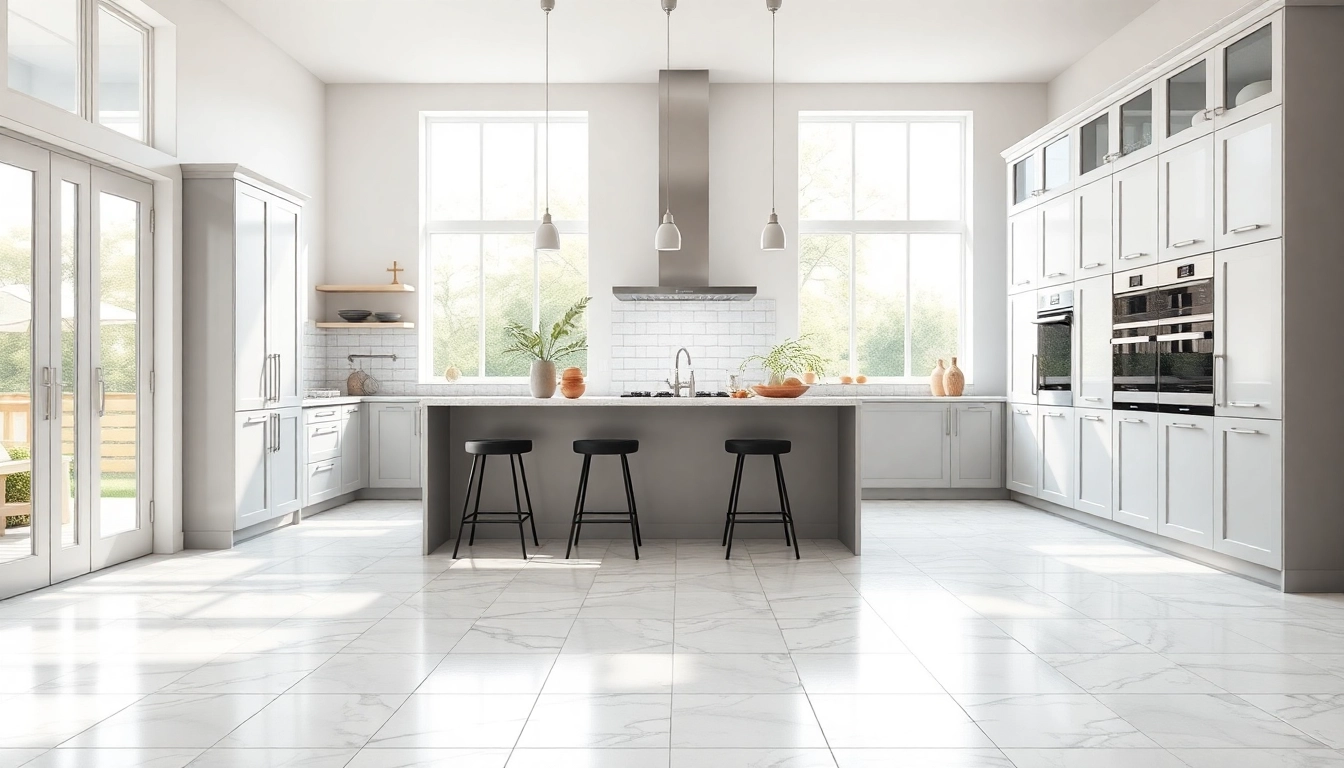
Introduction to Tiles in Home Design
When reimagining your home, one of the pivotal elements to consider is the tile that you choose. Tiles not only influence the overall aesthetic appeal of your spaces, but they also serve functional purposes, enhancing durability and ease of maintenance. In this article, we will explore various types of tiles, their unique benefits and applications, and essential maintenance tips, offering a comprehensive guide to maximize your home’s potential.
The Importance of Tile Choices
The choices you make in tile selections can significantly impact your home’s design and functionality. The right tile helps create cohesive styling, blending well with other materials while catering to practical needs. Whether for a bathroom, kitchen, or living area, tile selection is crucial in setting the ambiance and ensuring that spaces resonate with your aesthetic preferences.
Understanding Different Tile Materials
Understanding the various types of tile materials is fundamental in making informed decisions. From ceramic and porcelain to natural stone, each tile type brings distinct qualities to the table. For example, ceramic tiles are typically cost-effective and versatile, while natural stone tiles offer unique textures and sophisticated looks, making them ideal for high-end designs. This learning can serve as the backbone for your tile choices, ensuring your renovation aligns with both style and functionality.
Key Benefits of Using Tile
Tiles offer a plethora of advantages that extend beyond beauty. Primarily, they promise durability, with many tiles resistant to moisture, stains, and scratches. Additionally, tiles are low-maintenance, requiring simple cleaning, and they can enhance the thermal comfort of your home. Understanding these benefits can aid far-sighted renovations and everyday living.
Types of Tiles and Their Uses
Ceramic vs. Porcelain Tiles
Ceramic and porcelain are two of the most popular types of tiles, each with its unique characteristics. Ceramic tiles, made from clay, are often more affordable and versatile, making them suitable for walls, floors, and various environments. In contrast, porcelain tiles are denser and less porous, making them an excellent choice for outdoor spaces or areas with high foot traffic. Understanding these distinctions enables homeowners to select the ideal option for their specific needs.
Natural Stone Tile Options
Natural stone tiles encompass materials like granite, marble, slate, and limestone. Each type brings a unique beauty and texture, often resulting in stunning visual interest. For example, while granite provides durability and resistance to damage, marble offers a luxurious aesthetic sought after in high-end designs. However, it’s crucial to acknowledge their specific care requirements and inherent characteristics to maximize their longevity and visual appeal.
Glass and Mosaic Tiles: Aesthetic Appeal
Glass and mosaic tiles are famous for adding visual depth and brilliance to spaces. Glass tiles reflect light beautifully, enhancing illumination in rooms. Mosaic tiles, often composed of smaller pieces, serve as artful accents or intricate patterns. Both types are excellent for creating backsplash designs in kitchens or artistic installations in bathrooms, significantly elevating aesthetic appeal.
Tile Installation Process and Tips
Pre-Installation Requirements
Before diving into the installation, there are critical pre-installation requirements. Ensure that your subfloor is level, clean, and dry—any imperfections could compromise the finished look. Additionally, you may need to gather the necessary tools and materials, including tile adhesive, grout, spacers, and appropriate cutting tools, to ensure a smooth installation process.
Step-by-Step Tile Installation Guide
The installation process can seem daunting, but following organized steps makes it manageable. Begin by marking your starting point and laying out your tiles before setting them to get a sense of the arrangement. Next, apply adhesive and lay tiles one by one, ensuring proper spacing with spacers for grout lines. Once set, apply grout, smoothing it out, and after it has cured, clean the surface to reveal your stunning new tile design.
Common Installation Mistakes to Avoid
Avoiding common pitfalls during installation is essential for a successful outcome. One of the most common mistakes is neglecting to measure accurately, leading to wasted materials. Also, rushing the drying time for adhesive and grout can result in loosening tiles. Finally, failing to utilize tile spacers carefully can impact the overall aesthetic, so take your time to ensure everything aligns perfectly.
Tile Maintenance and Care
Cleaning Tips for Different Tile Types
Maintaining the beauty and longevity of your tiles demands specific cleaning techniques based on the type of tile. For ceramic and porcelain tiles, regular sweeping and mopping with gentle cleaners will suffice. Natural stone may require specialized cleaners to maintain their integrity, while glass tiles are best cleaned with vinegar-based solutions to keep them streak-free and radiant.
Sealing and Protecting Your Tile
Sealing tiles can provide an added layer of protection, particularly for natural stone, which is more porous and susceptible to staining. It is advisable to reseal these tiles every year to maintain their look and durability. Understanding the need for sealing can significantly prolong the life of your tile surfaces, safeguarding them from potential damage.
Long-term Care Practices
Long-term care involves not just cleaning but also attentive monitoring for any chips or cracks that may appear over time. Immediate attention to such issues can prevent further damage. Additionally, periodic deep cleaning and restorative treatments can renew your tiles, ensuring they remain a stunning feature of your home well into the future.
Frequently Asked Questions About Tiles
What is the best type of tile for kitchens?
Ceramic and porcelain tiles are ideal for kitchens due to their durability and ease of cleaning, making them perfect for high-traffic areas.
How do I choose tile colors for my home?
Choose tile colors that complement your existing decor and use lighter tiles in smaller spaces to create an illusion of openness.
What size tiles are ideal for small rooms?
Smaller tiles or those in lighter colors can make a small room feel larger, offering more design flexibility while avoiding overwhelming the space.
How to prevent grout stains on tiles?
Sealing grout can significantly reduce staining. Regular cleaning and maintaining dry surfaces also help prevent grime buildup.
Can I install tile over existing flooring?
In many cases, tiles can be installed over existing flooring, provided it is level and stable. However, it’s wise to consult an expert before proceeding.