
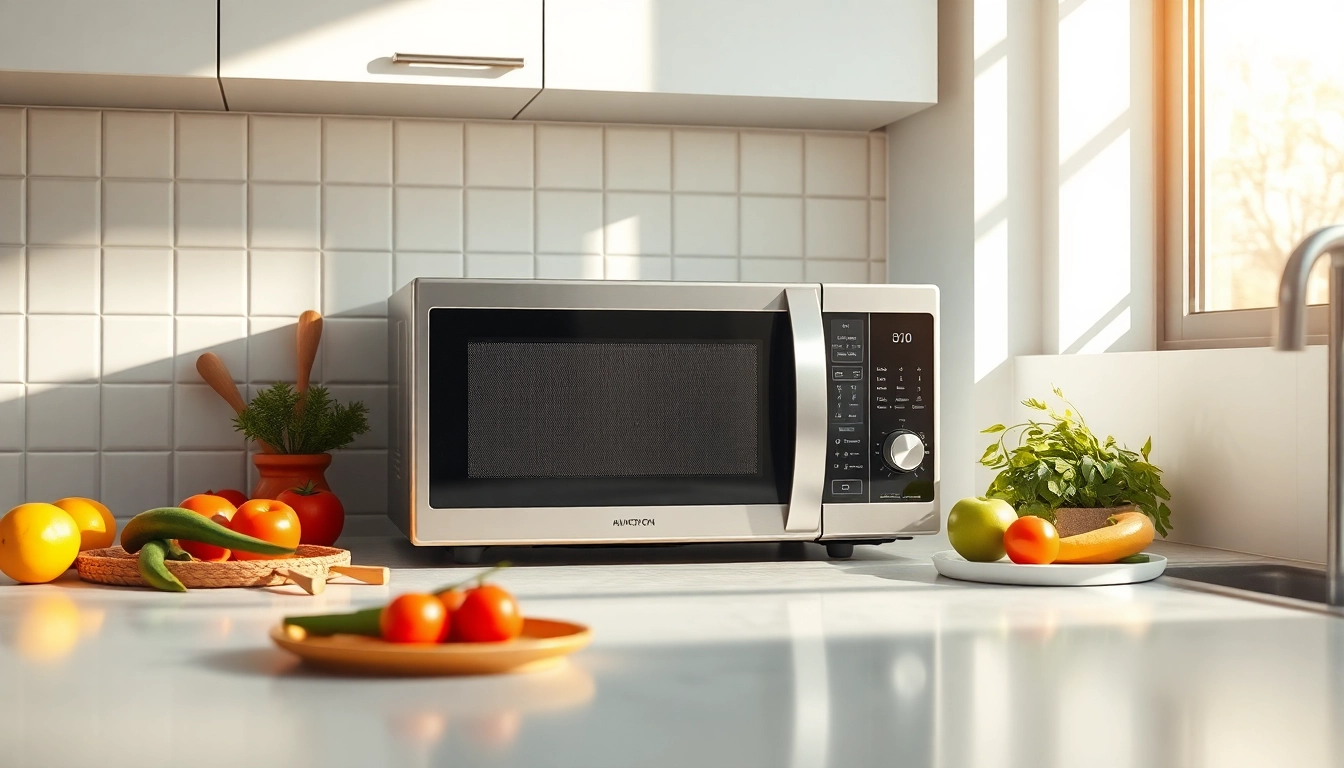
Introduction to the Microwave Oven
What is a Microwave Oven?
A Microwave Oven is a kitchen appliance that uses electromagnetic radiation in the microwave frequency range to heat and cook food. By generating microwaves—high-frequency radio waves—the appliance excites water molecules in the food, leading to increased thermal energy and subsequent cooking. This method is not only rapid but also energy-efficient, allowing users to prepare meals with minimal effort.
History and Evolution of Microwave Ovens
The origins of the Microwave Oven can be traced back to 1945 when Percy Spencer, an engineer working for Raytheon, discovered that radar technology could be used for cooking food. After accidently melting a chocolate bar in his pocket, Spencer began experimenting with microwave energy, leading to the first commercial microwave oven, the Radarange, in 1947. Over the decades, advancements in technology and design have transformed the Microwave Oven from a kitchen novelty to a staple appliance. Today, it comes with various functionalities, including defrosting, reheating, and cooking, meeting diverse cooking needs.
Why Choose a Microwave Oven?
Choosing a Microwave Oven offers numerous benefits for modern kitchens. Its speed and efficiency trump conventional cooking methods, enabling users to prepare meals in record time. The Microwave Oven is versatile; it can be used to reheat leftovers, cook raw ingredients, and even bake certain items in models designed for such functions. Energy efficiency is another vital consideration; these ovens typically consume less electricity compared to traditional cooking methods, which can translate into significant cost savings over time. Additionally, the compact size makes Microwave Ovens ideal for kitchens with limited space.
Types of Microwave Ovens
Countertop vs. Built-in Microwave Oven
When selecting a Microwave Oven, the first consideration often involves design type. Countertop Microwave Ovens are standalone units that can easily be moved and placed on any kitchen counter. They are generally more affordable and offer simple functionality for cooking and reheating. Conversely, built-in Microwave Ovens are integrated into cabinetry, providing a seamless look and maximizing counter space. They tend to be pricier and may require professional installation, but they can include advanced features that enhance culinary experiences.
Convection vs. Standard Microwave Ovens
Understanding the difference between convection and standard Microwave Ovens is essential for selecting the right appliance for your cooking style. Standard Microwave Ovens primarily use microwave energy to cook food. They are exceptional for reheating and defrosting but have limitations on browning or crisping food. Convection Microwave Ovens, on the other hand, incorporate a fan and a heating element. This enables them to cook food by circulating hot air, allowing for baking, browning, and even roasting, thus providing versatility for culinary enthusiasts.
Benefits of Each Type of Microwave Oven
- Countertop Microwave Ovens: Affordable, portable, easy to use, ideal for small kitchens, and convenient for quick reheating.
- Built-in Microwave Ovens: Aesthetically pleasing, space-saving, often include advanced features, and add value to home design.
- Standard Microwave Ovens: Great for reheating and straightforward meals, less expensive, and easy to maintain.
- Convection Microwave Ovens: Versatile for baking and cooking, excellent for achieving crispy textures, and generally have more cooking options.
How to Use a Microwave Oven Effectively
Basic Functions of a Microwave Oven
A Microwave Oven typically includes several basic functions, allowing for a variety of cooking tasks. Key functions include:
- Defrost: Quickly thaws frozen foods without cooking them.
- Reheat: Warms previously cooked foods efficiently.
- Cook: Cooks raw foods based on pre-set or manual settings.
- Popcorn: Specialized function designed to cook popcorn without burning.
- Timer: Allows you to set precise cooking times for various dishes.
Cooking Techniques with a Microwave Oven
Mastering various cooking techniques can elevate the use of a Microwave Oven. Some effective techniques include:
- Steaming: Use microwave-safe containers with lids to steam vegetables and retain moisture and nutrients.
- Baking: Convection models can bake cakes and pastries, giving results similar to traditional ovens.
- Grilling: Certain models come with grilling options, allowing for browning without extensive cooking time.
- Cooking rice and grains: Use specific settings or microwave-safe cookware for perfectly cooked grains.
Common Mistakes to Avoid When Using a Microwave Oven
While Microwave Ovens are designed for ease of use, there are common pitfalls to avoid:
- Using Non-Microwave Safe Containers: Always opt for glass or ceramic dishes labeled “microwave-safe.” Certain plastics can release harmful chemicals.
- Overheating Food: Monitor cooking times carefully to prevent foods from drying out or burning.
- Failing to Stir or Rotate: Stirring food or rotating dishes can ensure even heating and better results.
- Not Covering Food: Covering food helps retain moisture and prevents messes.
Maintenance and Care for Microwave Oven
Cleaning Your Microwave Oven
Regular maintenance is crucial for ensuring optimal performance. Cleaning your Microwave Oven can be done easily with natural solutions. A mixture of warm water and vinegar or lemon juice is effective; simply wipe down the interior after heating the solution in the microwave for a few minutes. This method helps eliminate odors and loosens stuck-on food particles.
Identifying and Resolving Common Issues
Common issues might arise with Microwave Ovens and knowing how to troubleshoot can save time and money. For example, if your Microwave Oven is not heating, check the power source, door seal, and ensure that the settings are correctly configured. If there are unusual sounds, it might indicate that a component needs lubrication or replacement.
Tips for Extending the Lifespan of Your Microwave Oven
The longevity of your Microwave Oven can be enhanced through simple practices:
- Keep it clean and free from food splatters.
- Ensure proper ventilation around the unit for cooling.
- Use microwave-safe containers only.
- Conduct regular checks on electrical cords and connections.
- Avoid slamming the door as it may misalign components.
Conclusion: Maximizing Your Microwave Oven Experience
Recap of Benefits and Features
In conclusion, the Microwave Oven remains an indispensable appliance. Its ability to cook quickly and efficiently not only saves time but also energy. The versatility offered through various types makes it suitable for diverse cooking needs, while proper care ensures longevity.
Future Innovations in Microwave Ovens
The future of Microwave Ovens promises to be exciting, with emerging technologies focusing on smart capabilities. Innovations might include enhanced sensors for cooking accuracy, app connectivity for remote operation, and even integrated air fryer functionality in models to deliver healthier cooking options.
Final Thoughts
As kitchen technology evolves, the importance of understanding how to utilize a Microwave Oven effectively cannot be underestimated. Whether for a quick meal or gourmet experimentation, those who harness the full potential of this appliance will discover it is much more than a reheating option — it is a culinary tool designed for the modern kitchen.
Frequently Asked Questions
What can I cook in a Microwave Oven?
You can cook a wide range of foods including vegetables, meats, and even desserts. The Microwave Oven is versatile, making meal preparation quick and convenient.
Is it safe to use plastic containers in the Microwave Oven?
Only use containers labeled as microwave-safe. Avoid using plastic that can melt or warp, as it might release harmful chemicals.
How do I clean my Microwave Oven?
To clean, use a mixture of warm water and vinegar or lemon juice. Wipe down the interior and exterior with a soft cloth for best results.
Can I use the Microwave Oven for baking?
Yes, certain models, like convection Microwave Ovens, can bake. Traditional Microwave Ovens are better for reheating and cooking various foods quickly.
What are the energy savings of using a Microwave Oven?
Microwave Ovens are generally more energy-efficient than conventional ovens, as they use less energy and cook food faster, which can reduce electricity costs.