


Comprehensive Guide to Structural Steel Installation: Best Practices and Techniques
Understanding Structural Steel Installation
What is Structural Steel Installation?
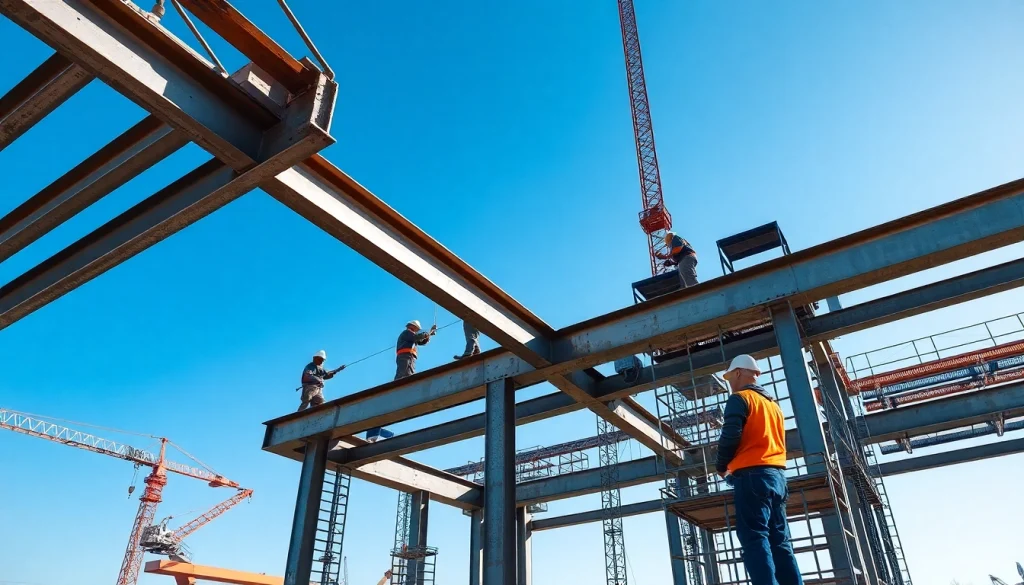
Structural steel installation refers to the process of erecting steel framework for buildings and other large structures. This involves assembling pre-fabricated components, such as beams, columns, and trusses, on-site to create a durable skeleton that supports architectural designs. It is a precise process that encompasses various steps to ensure safety, integrity, and compliance with engineering specifications. In fact, a well-executed structural steel installation can significantly enhance the stability and longevity of a structure.
Importance of Structural Steel in Construction
Structural steel offers multiple advantages that make it a preferred choice in construction. Firstly, it has a high strength-to-weight ratio, allowing for long spans and reduced material usage. Additionally, structural steel is highly durable and resistant to many forms of deterioration, including rot, mold, and insect damage, making it ideal for both indoor and outdoor applications. Furthermore, its prefabrication in factories can lead to faster construction timelines and enhanced quality control. The use of structural steel also contributes to sustainability efforts—recyclability at the end of its life cycle reduces waste concerns and environmental impact.
Common Applications of Structural Steel Installation
Structural steel installation plays a vital role in various sectors due to its versatility. Common applications include:
- Commercial Buildings: High-rises, shopping malls, and office buildings often rely on steel frameworks for their robust structures.
- Bridges: Steel is commonly used in bridge construction due to its durability and load-bearing capacity.
- Industrial Facilities: Factories and warehouses leverage structural steel for their tall architectures.
- Residential Structures: Modern homes may utilize steel framing for added strength and flexibility in design.
- Infrastructure Projects: Public works projects, such as stadiums and parks, also incorporate structural steel elements in their design.
Preparation Steps for Structural Steel Installation
Project Assessment and Planning
The foundational stage of any structural steel installation project involves diligent planning and assessment. Project managers must partner with architects and engineers to evaluate project specifications, budget constraints, and timelines. This phase may include site visits to assess conditions, reviewing design blueprints, and determining load requirements. Proper planning also encompasses securing necessary permits and approvals from local authorities, which can significantly influence project execution.
Site Preparation and Safety Protocols
Before any steel is erected, the construction site must be adequately prepared. This involves clearing the area, leveling the ground, and establishing access routes for cranes and equipment. Additionally, implementing safety protocols is paramount to protect workers and materials. Safety briefings, installation of safety barriers, and adherence to OSHA regulations ensure a secure working environment. It is essential to involve all stakeholders in safety training sessions to reinforce the importance of hazard awareness and proper equipment usage during installation.
Equipment and Material Checklist
Having the right equipment and materials is critical for a successful installation. Essential equipment includes cranes, hoists, scaffolding, and rigging supplies. While these tools are vital for lifting and securing steel components, it is equally important to prepare a comprehensive material checklist that covers all steel pieces, connectors (bolts, welds), and safety gear. Regular inspections of both materials and equipment must be conducted to ensure everything meets safety and quality standards prior to the start of installation.
The Structural Steel Installation Process
Step-by-Step Erection Procedures
The actual process of structural steel installation typically unfolds in several organized phases:
- Setting Up the Foundation: A robust foundation, based on engineering designs, must be established to support the steel framework.
- Column Installation: Steel columns are positioned vertically and secured, usually with base plates bolted to the foundation. This initial step sets the framework for the entire structure.
- Erecting Beams: Horizontal beams are then connected to columns, forming the primary skeleton. This requires precise alignment and use of temporary bracing while connections are being made.
- Purlin and Brace Installation: Purlins and braces offer additional support and stabilization, ensuring the framework can withstand lateral loads.
- Final Calibration: It is critical to check the accurate placement and alignment of all components through proper measuring equipment before finalizing connections. This step ensures that the structure can handle the designed load without compromising safety.
Connecting and Securing Steel Components
Once the primary structure is erected, securing the components is key to overall structural integrity. This can be done through various methods, such as bolting and welding, each with pros and cons. Bolting is common for ease of assembly and disassembly, while welding provides a permanent solution for greater strength in some applications. Regardless of the chosen method, connection quality must be subject to inspection and testing to verify load-bearing capacities and adherence to design specifications.
Quality Control Measures During Installation
Quality control is an ongoing priority throughout the steel installation process. This encompasses regular inspections conducted by qualified professionals to ensure compliance with project specifications and safety standards. Any deviations from structural drawings must be immediately addressed. Quality assurance protocols may also include material testing, verification of weld and bolt integrity, and checking for rust or corrosion in components, particularly for outdoor projects.
Challenges in Structural Steel Installation
Common Issues and Their Solutions
Despite meticulous planning, challenges can arise during structural steel installation, often stemming from unpredictable variables such as weather, supply chain disruptions, or on-site conditions.
- Supply Chain Delays: Unforeseen delays in steel delivery can halt project timelines. Solutions involve proactive communication with suppliers and having contingency plans, including alternative materials or methods.
- Unfavorable Weather: Rain, snow, or extreme winds can pose safety risks. Implementing strict weather protocols for halting work and scheduling installations during favorable weather conditions can mitigate risks.
- Safety Complications: The risk of workplace accidents necessitates ongoing safety training and enforcement of safety protocols. Regular safety audits can identify areas needing improvement.
Weather and Environmental Considerations
Weather plays a significant role in the structural steel installation process. Rain and high winds can impede progress and increase hazards for on-site personnel. Construction schedules must adjust to forecasted weather conditions. Additionally, environmental factors such as temperature fluctuations can cause materials (especially steel) to expand or contract, affecting assembly accuracy. Using weather forecasts and planning accordingly helps keep projects on track while ensuring worker safety.
Workforce Training and Safety Compliance
The success of structural steel installation enmeshes with worker training and adherence to safety regulations. Ongoing training sessions about equipment handling, safety gear usage, and fall protection strategies are crucial for minimizing workplace injuries. Regular refreshers on current regulations, including OSHA standards, ensure compliance that protects both workers and the project as a whole. By fostering a culture of safety and preparedness, companies can reduce liabilities and promote operational success.
Future Trends in Structural Steel Installation
Advancements in Steel Fabrication Technology
As technology continues to evolve, so do the methods used in the fabrication and installation of structural steel. Innovations such as 3D modeling are enabling detailed pre-construction analysis, allowing for virtual inspections and adjustments prior to physical assembly. Robotics and automation are increasingly being integrated into construction practices, improving speed and precision while reducing labor costs. Additionally, these advancements contribute to quality consistency, ultimately providing more reliable structural outcomes.
Sustainable Practices in Steel Construction
The push for sustainability is influencing structural steel installation dramatically. Techniques such as reusing existing steel for new projects, optimizing designs to minimize waste, and using eco-friendly methods during installation have gained traction. Furthermore, advancements in the recycling capabilities of steel ensure that this critical material can be repurposed while minimizing environmental impact. The adoption of sustainable practices not only benefits the planet but can also improve a company’s marketability.
Innovative Techniques for Efficiency and Safety
To enhance both efficiency and safety, the industry is witnessing the introduction of innovative techniques such as modular construction. Prefabricated modules can expedite the installation process while minimizing on-site labor requirements and managing logistics more effectively. Furthermore, employing digital tools like drones for site assessments and progress tracking provides valuable insights that enhance overall project management and safety compliance.
Frequently Asked Questions
1. How is structural steel installed?
Structural steel installation involves assembling steel components, lifting them into position, and connecting them using bolts or welds. The process follows specific engineering plans to ensure safety and structural integrity.
2. What equipment is necessary for steel installation?
Essential equipment for structural steel installation includes cranes, hoists, scaffolding, and rigging tools. Safety gear and inspection equipment are also critical to ensure worker safety and quality control.
3. What are common problems faced during steel installation?
Common problems include supply chain delays, adverse weather conditions, and safety compliance issues. Effective planning, safety training, and communication can mitigate many of these challenges.
4. Why is quality control important in steel installation?
Quality control ensures that all components meet design specifications and safety standards. Regular inspections help identify defects, protecting both the structure’s integrity and worker safety.
5. What trends are shaping the future of structural steel installation?
Trends include advancements in fabrication technology, a focus on sustainability, and the adoption of modular construction techniques, which enhance efficiency and safety in the installation process.